

Energy, forests and plastics will be three key themes this year in the region in terms of environmental protection for the health of people and the planet. The numbers of the problems and the opportunity to solve them.
The goal of achieving an inclusive development model that cares for the environment is one of the priorities of the post-pandemic world. The United Nations, ECLAC, OECD, along with a wide variety of environmental and social organizations, agree that political and economic power struggles, coupled with digital transformation, are changing the traditional way of protecting the environment. But, at the same time, they find unique opportunities due to citizen commitment.
Human actions and population growth together with the increase in consumption have brought great benefits to people over the years, but at the same time have contributed to a progressive deterioration of the ecosystem, harming the health of people, animals and ecosystems, representing an imminent risk to human survival.
“This has made countries, people and different institutions change the way they approach nature, going from seeing it only as a provider of products and services to perceiving it as a life support system,” the team shares. Regional Observation of SURA Insurance.
This is how nature, according to expert observers, begins to be considered as a “living actor subject to rights” and enjoys “protection and respect from the State and citizens to ensure its existence, restoration, maintenance, regeneration and the protection of cultural wealth.”
In view of this scenario and with a view to shaping a better future for new generations, policies and actions based on the holistic vision implied by sustainable development are needed.
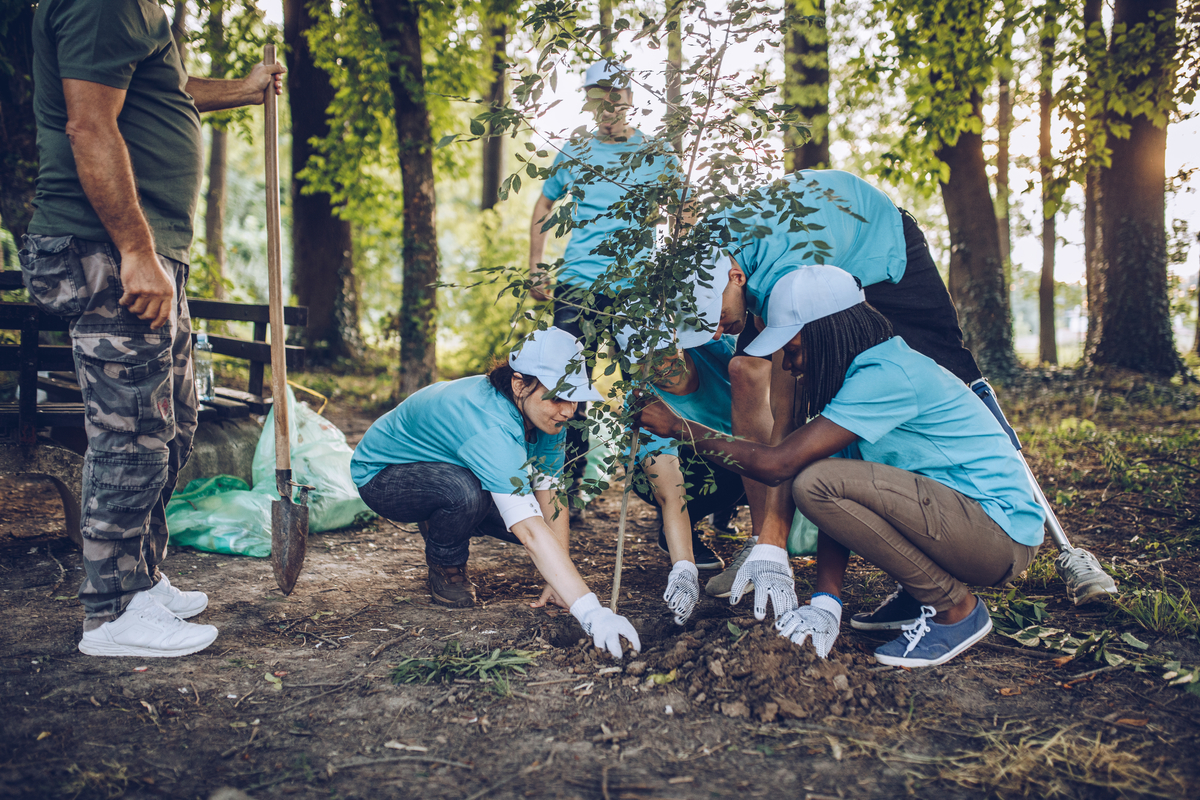
Then 3 major challenges the region will have to face in 2022 and the years to come to improve collaboration with decarbonisation and environmental care.
1) Energy conversion
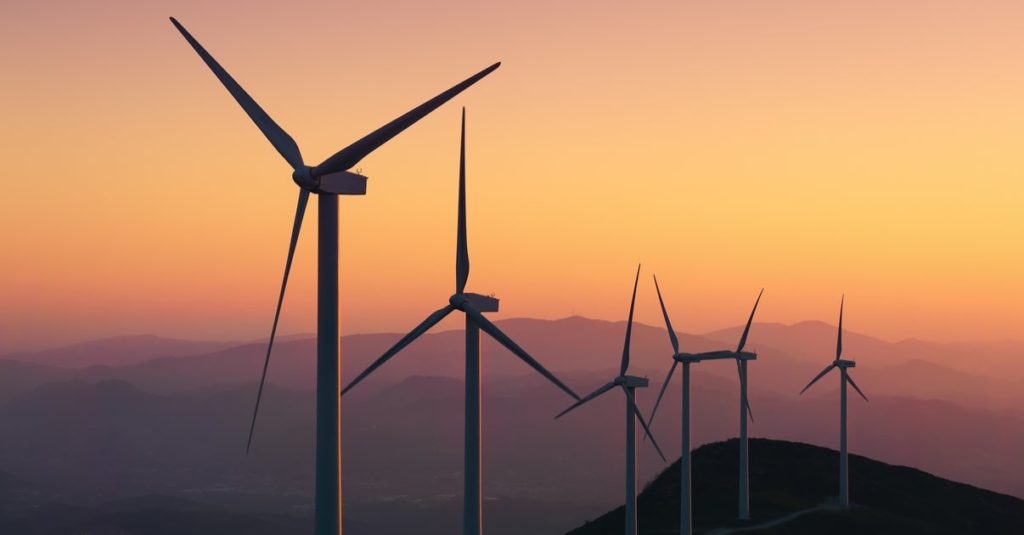
According to Alicia Barcena, Executive Secretary of the Economic Commission for Latin America and the Caribbean (ECLAC), the renewable energy sector is a powerful engine of growth, job creation and innovation. He indicated that the region has all the conditions to become a hub global energy sector with great potential in green hydrogen, particularly mentioning the Argentina, Brazil, Chile, Peru, Bolivia, Costa Rica and Mexico
In recent years, the sector has recorded a robust growth rate. According to data from the Latin American Energy Organization (OLADE), Latin America and the Caribbean have a 25% of renewables in the composition of its primary energy matrix. A 59% of electricity generation comes from renewable sources and its ambition is to reach 70% before 2030.
Rising demand and a more than notable growth in generation capacity, together with the dominance of wind and solar energy to meet this need, are three of the factors that will transform the sector over the next three decades, according to the latest Bloomberg New Energy Outlook, which predicts that by mid-century, the region's total installed capacity will double to more than 1TW and carbon-free generation will reach 82%.
“Several countries have advantages to enter this market because their electrical matrices are relatively clean or are in the process of decarbonization. But to take advantage of them, some obstacles must be overcome that could become a barrier that hinders the takeoff of this industry: formalizing H2 (hydrogen) in the political, institutional and legal framework, including it in public agendas and giving space and support to the private sector, building a regional agenda and taking advantage of synergies to increase competitiveness,” emphasized Bárcena.
2) Forest conservation
In one of the latest editions of “The state of the world’s forests” (SOFO) makes clear the need to take urgent measures to safeguard the biodiversity of the world's forests, amid alarming rates of deforestation and forest degradation. United Nations Environment Programme (UNEP) He said the coronavirus crisis has highlighted the importance of conserving and sustainably using natural resources, recognising that people's health is linked to the health of ecosystems.
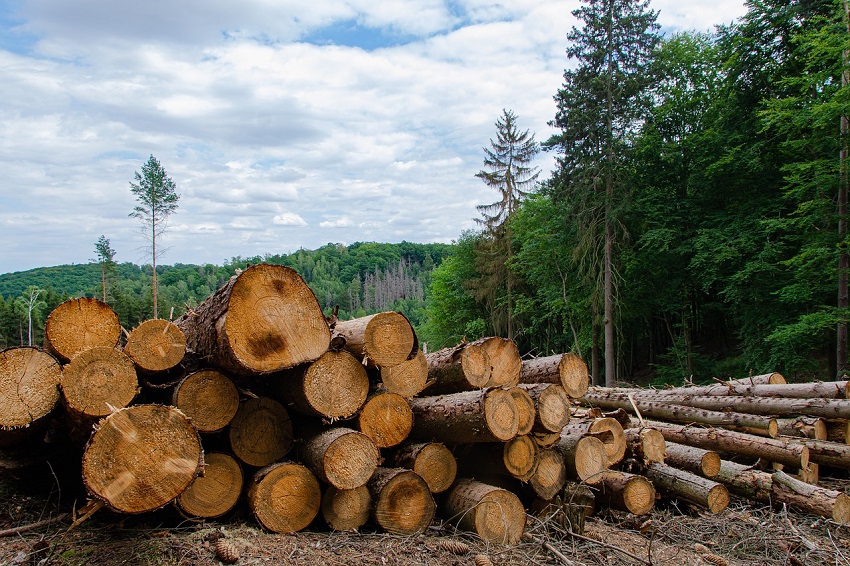
According to the SOFO report, forests contain 60.000 species different from trees, the 80% of amphibian species, the 75% of bird species and 68% of mammal species on Earth. For its part, the FAO The report says that South America lost 2.6 million hectares of forest each year in the period 2010-2020, the second highest rate in the world (after Africa). But there are more promising figures. Although deforestation is occurring in some areas, new forests are being established in others. The majority of forests in protected areas are in South America (31%).
“Long-term sustainable management plans are crucial to reducing deforestation and increasing forest protection and ecosystem services, as well as guiding restoration practices with social, economic and environmental considerations,” he said. Pieter Lierop, FAO Forestry Officer for Latin America and the Caribbean.
3) Plastic waste
According to a study of the United Nations, Latin America and the Caribbean will go from producing 541,000 tons of waste per day - this means one kilogram per inhabitant - to nearly 670,000 tons each day in 2050. Currently, of the total waste generated in the region, 145,000 tons end up in open-air dumps every day, and 17,000 of these tons correspond to single-use plastic waste.
This was explained Gabriel Quijandría Acosta, Minister of the Environment of Peru, during the event “Regional visions of a global agreement to combat marine litter and plastic pollution”, organized by the Ministry of the Environment of Peru with the support of WWF; to discuss the relevance of negotiating a legally binding global agreement that would establish common guidelines for States to address the pollution crisis caused by this material. It is a crisis that does not recognize borders and affects global public goods such as the oceans: 8 million tons of waste reach them every year.
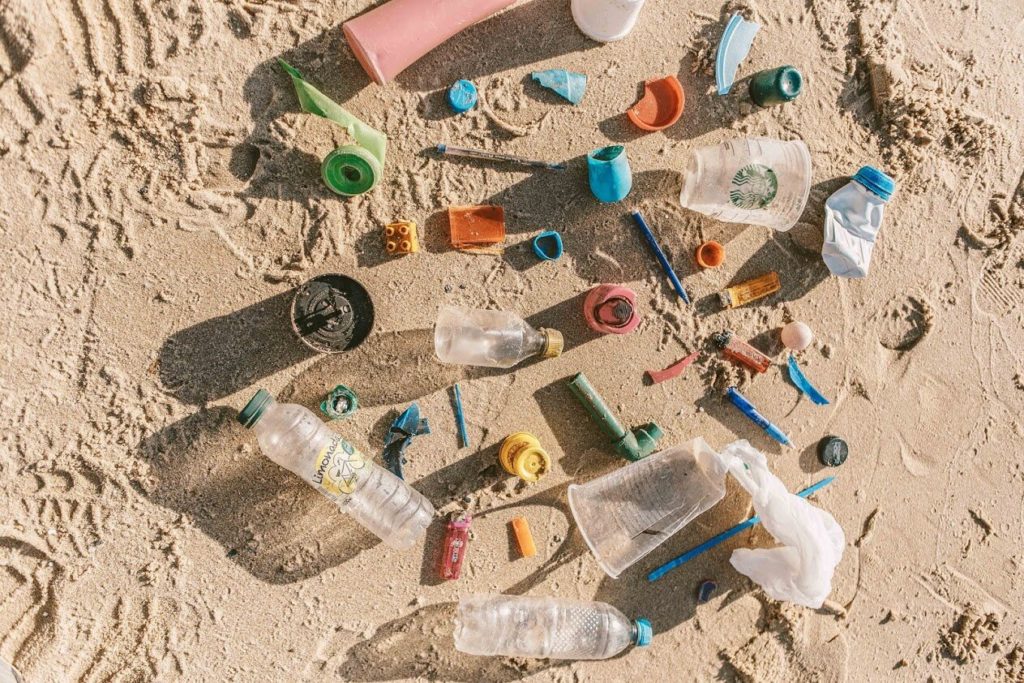
On the other hand, a recent investigation by GAIA (Global Alliance of which Taller Ecologista is a part) reveals the accelerated increase in shipments of plastic waste to Latin America. In 2020, in the midst of a pandemic, exports of plastic waste from United States to some countries of Latin America increased by more than 100%. Globally, there is growing concern about the shipment of plastic waste from powers such as the United States to poor nations with weak legislation and controls.
The United States exported 44,173 tonnes from plastic waste to 15 Latin American countries, between January and August 2020, which meant sending at least 35 containers a day to the region with this waste. This occurs amid growing global rejection of the cross-border trade in plastic waste due to its impact on recipient countries, generally developing countries.
In this way, from Make sure you liveWe summarize the major environmental challenges that the world will face this year, seeking to contribute in some way to generating health for people and the planet.