

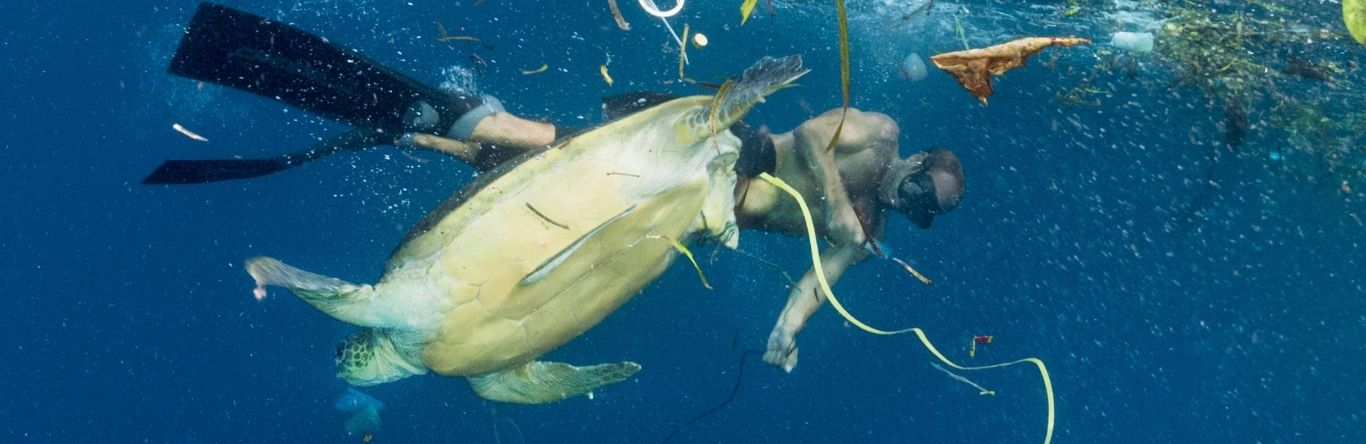
Perceiving our habitat as an analogy for our body connects us to the environment and invites us to think about the health of rivers as we do with our blood system or to observe that the proximity of trees to each other and the connection of their roots can resemble the neural network of our nervous system. Recognizing that the planet can become ill, just like us, presents us with opportunities to heal the wounds we have caused it.
The space we travel through, where we find ourselves and can be, is related to our body. According to a scientific article from the Polytechnic University of Madrid, the citizen can be perceived as the center of public space because “urban development impacts the sustainability, comfort, habitability, well-being and daily life of the inhabitants.”
Urban design is capable of enhancing our vitality, enabling social encounters and the broad development of our being by feeling that we are also part of the whole environment we inhabit. The interactions we have with our urban and natural environment, through habitability, promote awareness and care for nature as we do for our health.
When our temperature rises, for example, we take medication and apply all possible precautions to prevent the advance of the diseases we perceive. The temperature of our planet is telling us that it is time to address its symptoms. The ONU, in a recent report on environment and adaptation to climate change, which:
“Adaptation measures are essential for public and private sector actors to be prepared for and respond to the effects of climate change. According to the analysis, most countries – 72% – have adopted at least one national adaptation planning instrument, while some countries – 9% – do not yet have such an instrument and are in the process of creating one.”
Urgently reducing these gaps is everyone's task, since Climate Change is a risk to our health. “2020 has been one of the hottest years in history: according to data recorded by the ONU, more than 50 million people around the world have been directly affected by floods, droughts or storms; and wildfires have raged most intensely in countries such as Australia, Brazil, Russia and the United States, among others.”
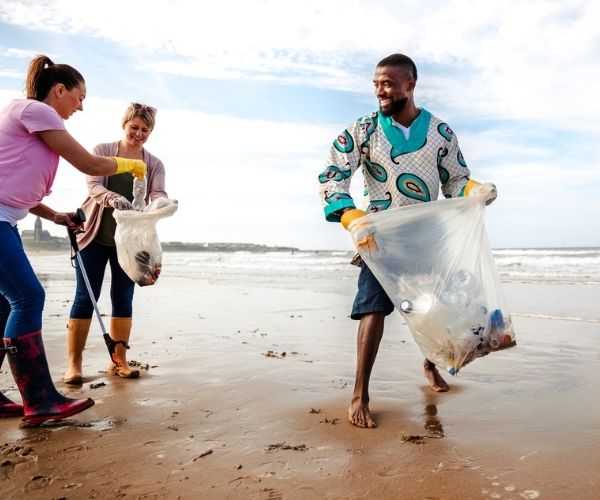
Being part of the change and having the opportunity to contribute to adaptation planning, raising awareness and promoting healthier habits ensures that we live in greater contact with our ecosystems. Nature can heal, because it is biodiverse. According to a specialized article by the Economic Commission for Latin America and the Caribbean ECLAC“structural biodiversity and species biodiversity […] are the underlying basis of ecosystem resilience.
Knowing what affects our body, as well as our habitat, is part of healthy and responsible habits that we can acquire. With insurance SURA We can be informed and accompanied by experts who guide us to live more safely by informing us about climate change and our world through their specialized magazine Geosciences.