


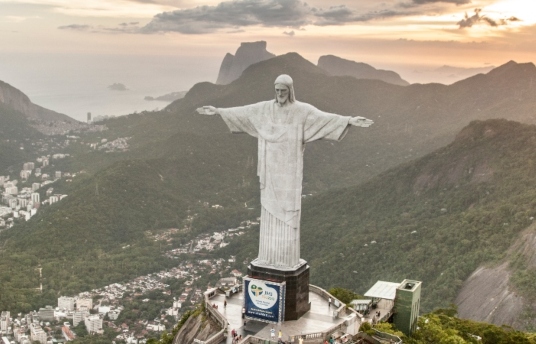
If you are planning a trip to Brazil, keep in mind the following recommendations:
- Brazil is a country of seasons, so it is important that before traveling you research what time of year you can travel according to the plans you have in mind. Remember that the weather and the itinerary will give you insight into the clothing you should pack, however, comfort should be an ally on this type of trip.
- There are no mandatory vaccinations to enter the country. However, it is recommended that you get vaccinated against yellow fever if you visit the jungle regions of the Pacific and the Amazon.
- Choose your dates wisely. There are some peak seasons during the year when the number of visitors is higher: mid-November to the end of January, Carnival, June and July.
- Preferably, exchange your money for Reales (Brazilian Currency).
- Use public transport whenever possible, as prices are quite favourable and cover a good number of routes in each city.
- Comfortable clothing that adapts to the different temperatures of the places you are going to visit.
- Protection against mosquitoes.
- Photo or video camera and memory cards.
- If you like bird watching, don't forget to bring your binoculars.
- Documentation in order, the passport must be valid for at least 6 months.
- First aid kit with basic medications such as antiseptic, dressings and band-aids, and paracetamol (or acetaminophen).
These are the documents required for travelers from South America if they will have stays of less than 90 days (60, in the case of Venezuelan tourists):
- Valid passport.
- Identification document.
- Accommodation certification.
Security
During your trip, events may occur in which you may need to contact the relevant authorities. For your safety, it is important that you take into account the following lines of attention:
- 192: Medical emergencies.
- 193: Firefighters.
- 190: Military Police.
Mobility
- Brazil does not have many tolls, only in major cities. Tolls must be paid in cash. Please note that only reals are accepted, not foreign currencies.
- If you are travelling to Brazil, be aware of the speed limits, to avoid problems and protect yourself and others. According to article 51 of the National Traffic Law, the limits are:
- Urban area: 30 km/h – 60 km/h, depending on the area
- Rural area: 110 km/h
- Before you travel, make sure you are clear about your route. Knowing these routes will help you have a safer and more comfortable trip:
- Pantanal Route.
- Washington Luis Route. Route from Porto Alegre to Gramado.
- Every city has different means of public transportation. Before arriving at your destination, it is important to research them and check if they are suitable for getting around during your trip:
- Metro: Brazil is the South American country with the most metro cities. Sao Paulo, Rio de Janeiro, Recife, Porto Alegre, Brasilia, Belo Horizonte, Teresina, Fortaleza and Salvador have metro with urban bus networks. No card is required to enter, only cash.
Health:
Remember to check before traveling if you need to have a COVID-19 test to enter the country.
Connectivity:
This information can tell you if your electronic devices are compatible or if you need to use an adapter:
- Voltage: 127/220V
- Pins: Type N
Before traveling, ask your mobile operator about the international roaming option. If you do not have this service, MiSim offers a SIM card adaptable to all cell phone slots with 25 GB of high-speed 4G LTE internet with coverage throughout Brazil for $50 per month. The 30-day validity period begins from the moment the SIM is activated in Brazilian territory.