



The pandemic has generated dozens of problems globally. Many of them are directly related to the economy of countries and companies. An example is the crisis in the supply chains, or supply chains, which prevents the proper functioning of most industries.
This is reflected in serious difficulties, but it also brings opportunities for regions such as Latin America to become more relevant players in the global distribution of products.
“The global supply chain crisis showed that productive inputs were concentrated in eastern economies, an element that demonstrated a high degree of dependence on productive markets,” he explains. Andrés Puerta, Director of Environmental Management at SURA. And he adds: “Faced with this situation, which has had a direct impact on global imports and exports, governments and companies must join forces to improve the resilience of supply chains.”
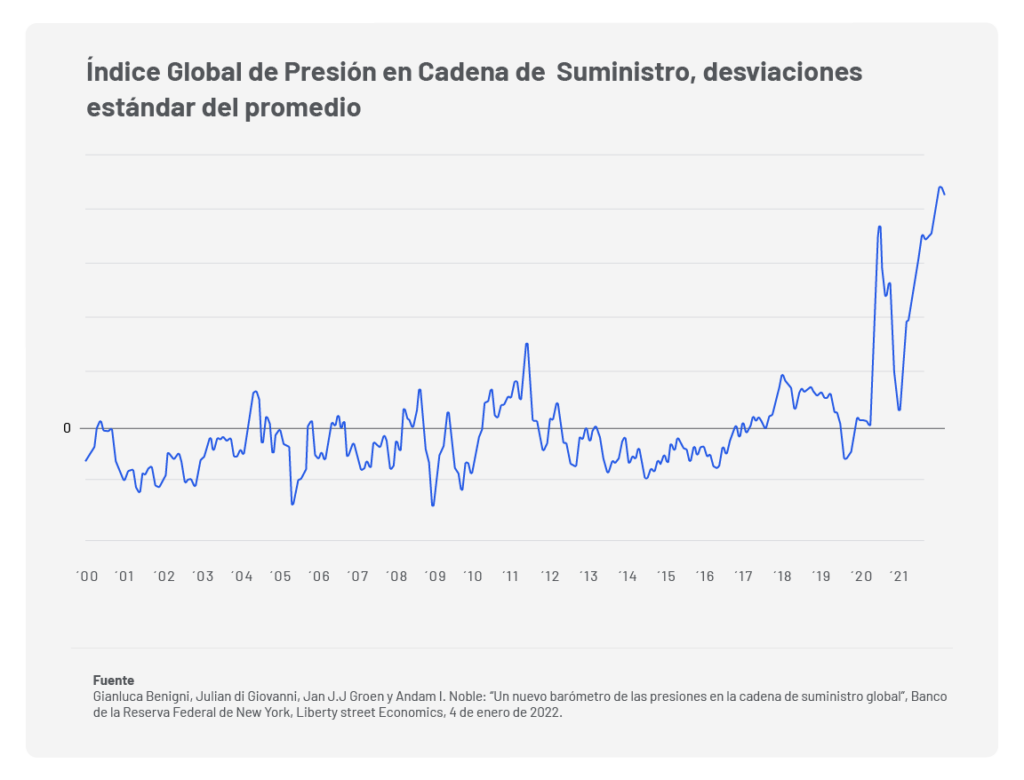
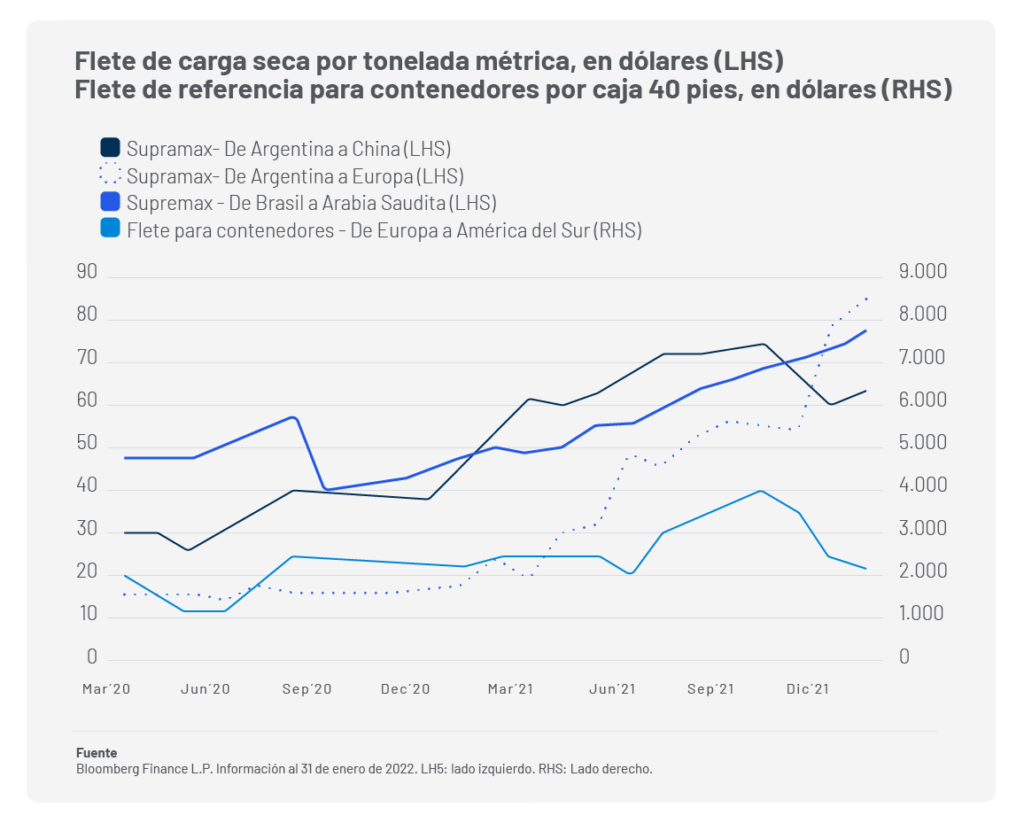
As soon as the pandemic began, the closure of ports and industries brought supply chain operations to a halt. As the months went by, openings were made with health protocols that reactivated activities, but at a slower pace than in the pre-lockdown stage. Port congestion, low availability of containers and higher supply costs are some of the difficulties that affect the distribution chain and cause serious damage to the economies of countries.
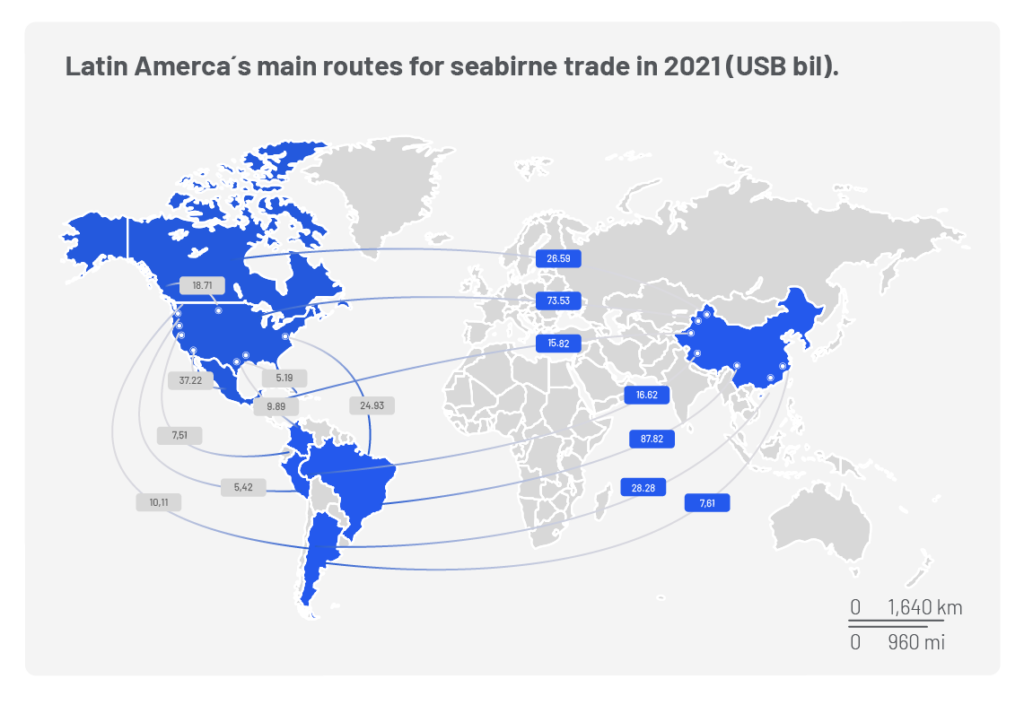
Main routes in Latin America for maritime trade.
“We must do everything possible to mitigate the impact of Covid on trade, especially for small businesses around the world,” said Anabel González, Deputy Director-General of the World Trade Organization (WTO). “This is of utmost importance to enable all countries, particularly the poorest, to achieve their goals. boost economic recovery post-pandemic,” he continues.
This is especially important in regions like Latin America. “This moment arises as an opportunity to acquire a more active role in global supply chains. This requires a comprehensive and multi-sector strategy and a shift in Latin America's productive vocation must be generated to become a more relevant player in the digital economy,” Puerta points out.
Opportunities for Supply Chain in Latin America
The International Labour Organization notes that “Latin America has been one of the regions most affected by the crisis generated by COVID-19. In Latin America, the value of exports in 2020 fell by -13% compared to 2019.”
However, a report from Allied Market Research, an international data analysis consultancy for different industries, reveals that the region will experience a recovery. “The data market logistics Latin America was valued at USD 542 billion in 2019 and is projected to reach USD 784 billion by 2027,” they say when analyzing the available information.
To achieve this and position itself as a leading player in the supply chain, Latin America must apply new technologies. and adopt new trends in the supply chain. “Today’s logistics is directly related to new technologies, which have optimized the processes linked to the chain, increased e-commerce and generated operational efficiency in the last mile,” says Puerta.
Under this framework, the SURA expert shares some of the trends in the global supply chain:
- On-demand service systems: These types of services are characterized by being very flexible and generating payments only when they are used. Within the logistics industry, this feature is highly valued by customers since it adapts to the economic cycle of each company, without being subject to long-term contracts.
- Green logistics: The Sustainable Development Goals (SDG) define the framework for better development for all, and among other variables, aim to reduce global CO2 emissions. Faced with this last fact, the supply chain must be integrated into the global effort, given that transport and storage are two highly polluting elements. Thus, green logistics refers to a set of sustainable policies defined to reduce the impact caused by the activity, seeking an economic and ecological balance based on the measurement of the carbon footprint of operations, reducing pollution levels and achieving the sustainability of the supply chain.
- Blockchain: Although this technology is best known in the world of cryptocurrencies, the fact that blockchain allows for improved digital security in all areas where it is used will be a guarantee for ensuring efficiency within logistics operations, both on a large scale and in last-mile operations.
- Loyalty technology: Tools like big data and analytics will enable specific operations to be carried out with data from the logistics process. This information will be privileged in the sense that it can measure the consumer experience, which is a point of reference when implementing changes and ensuring permanent customer satisfaction.
Finally, according to experts from SURA’s Make Sure to Live, another trend relates to “the development of a framework that mediates IoT, BIM and GIS for a reliable simulation that predicts potential logistics risks and accurate delivery time.” Such reliable risk prediction enables effective supply chain coordination, which can improve project performance and its widespread application.”
Towards a Supply Chain 4.0
Given the difficulties generated by the coronavirus pandemic in the supply chain, the Interamerican Development Bank (IDB) has created a manual of “good practices” for Latin America. The objective of this manual is to insert the region into the “Supply Chain 4.0” so as not to lose ground to the advance of other regions that are already applying the new trends in this sector.
“Recognizing that the transition to Supply Chain 4.0 faces a number of barriers, governments in advanced countries, in some cases in collaboration with the private sector, have deployed programs and initiatives aimed at reducing these obstacles,” IDB executives say.
Along these lines, they recommend a series of good practices that Latin America should begin to implement in the near future. These can be grouped into four types of interventions:
- National plans and strategies with impact on specific aspects of the supply chain
- Support for small and medium-sized businesses
- Development of standards for inter-organizational communication
- Programs based on collaboration between the public and private sectors.
The logistics sector is of enormous importance in itself, but above all it generates a driving effect on the development of the private sector and growth in the rest of the economic actors in a country or region. For this reason, companies must adopt the previously mentioned trends to be a more active part of international trade.
Through its various products and personalized advice, SURA provides its clients with a framework for action within this new international panorama. With more than 70 years of experience in empowering companies in the region, the insurance offered covers the particular needs of each organization and adapts to current global contexts.