


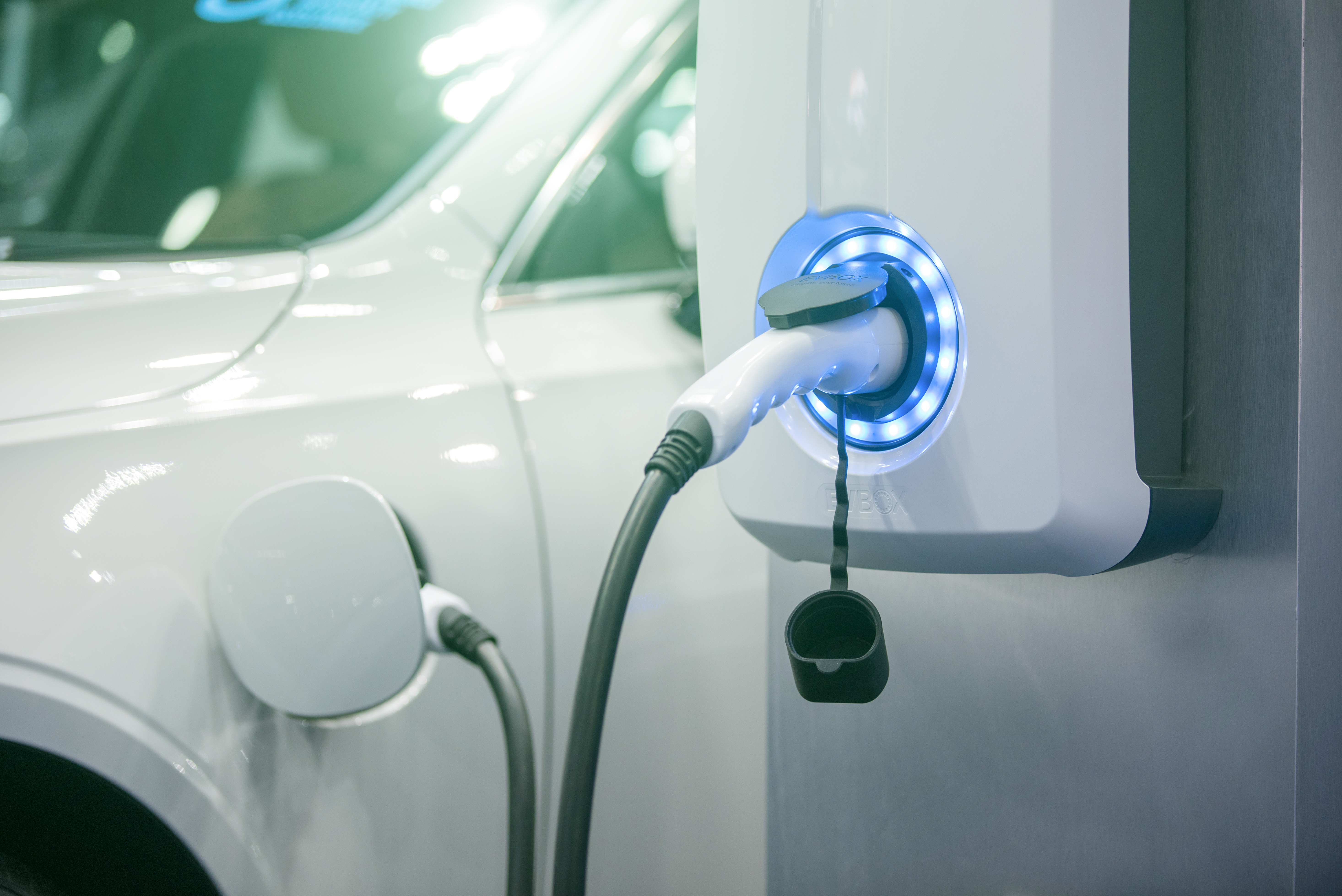
Currently, the commitment of governments to implement a sustainable mobility, emission-free and completely electric, is materialized in regulations and proposals. However, this is not an easy path, as it is full of technological and business challenges and even some impossibilities linked to territories, financing and adaptation, among other issues.
The transformations in the field of mobility and its trends are characterized by business models that seek shared responsibilities, conceiving it as a sustainable service that “empathizes with a planet with increasingly worse symptoms of development,” say experts from asegura de Vivir.
For this reason, it is valid to ask ourselves: actual time frames of the actions to be implemented, the impediments, the commitments of the world's main automotive companies and the progress in this area at a regional level.
Electric mobility: definition, uses and purposes
Since 1998, World Car-Free Day has been celebrated with the aim of reducing vehicle use and lowering air pollution levels. Although it may seem like a minimal effort, this initiative not only contributes to reducing the carbon footprint in cities, but also encourages sustainable mobility through the use of transport alternatives that include bicycles, public transport and other means that run on electricity.
This phenomenon “has been reflected in an outstanding growth in sales of electric vehicles and, to a greater extent, the need to travel by individual means as a measure of protection against biological risk,” say experts from asegura de Vivir. The gradual integration of electric and emission-free means of transport is one of the fundamental axes for the energy transition and the construction of smart cities.

In addition to being a good strategy to counteract climate change, it has other social, environmental and economic benefits. Better air quality reduces respiratory, visual and cardiovascular diseases. There is a reduction in noise pollution and a decrease in costs, since fossil fuels are more expensive than electric recharges. All these advantages materialize in an improvement in people's quality of life. (Enel Américas, 2016).
Among the electric mobility vehicles are: scooters, motorcycles, cars and bicycles. There are also electric-powered transports for public and freight service. All of these have sufficient technological development to have an ideal performance.
Latin America and sustainable mobility
Approximately, “8 out of 10 people in Latin America live in large cities, making it the second most urbanized region in the world,” according to data from Bloomberg. In the region, the majority of the population is concentrated in urban areas and its growth is exponential. It is also worrying that Brazil, Chile, Colombia, Mexico and Peru are among the 50 countries with the highest air pollution. and Mexico City, Rio de Janeiro, Bogotá, Lima and Santiago de Chile are five of the cities with the most traffic in the world.
For these reasons, Latin American metropolises are under pressure to electrify and decarbonize their transport systems, and are taking decisive action to this end. Between January and March 2021 22.181 sustainable cars were sold, where Colombia positioned itself as the leader in electric vehicles and Mexico in hybrids, according to Bloomberg.
On the one hand, the agreements made within the framework of the United Nations Conference on Climate Change (COP26) include plans to help 27 developing countries accelerate their transition to electric mobility with zero emissions. The initiative includes means in the development of roadmaps, policy frameworks, business models and financing schemes for the transition of their transport sectors towards the use of electric vehicles (UNEP, 2021).

This is why both the public and private sectors are carrying out initiatives involving infrastructure, smart charging and energy services for electric buses. The most notable agreements are already operating in Bogotá and Lima, but projects such as construction of public electric charging stations, charging yards for electric buses and charging services for companies and car chargers.
Likewise, the automotive giants are also committed to the transition to sustainable mobility. From Nissan, the company's president in the region, Guy Rodríguez, acknowledges that in Latin America there is less adoption of this technology compared to the European market, but the company is participating in this sustained growth due to the growing awareness of users, who are increasingly choosing sustainable technologies.
In the case of General Motors, There is an explicit commitment to be an emissions-neutral company by 2040, both in its cars and in its facilities. It even has a new range of vehicles powered entirely by electric energy, presented during the 2022 Costumer Electronics Show (CES). While Toyota estimates that it will sell approximately 2030 million cars in the region in 6, including electric, plug-in hybrid and flexible hybrid vehicles.
SURA looking to the future
Individuals, small communities, businesses and organizations can contribute to counteracting the climate change by adopting sustainable mobilityUnder this premise, many small changes give rise to a great transformation.
For example, Seguros SURA signed a formal commitment with the Chilean Energy Sustainability Agency to support and promote electric mobility in its products and services. They also have agreements with universities in Chile and Colombia to promote research and development of business models related to this type of mobility, as explained by Hernán Giraldo, Director of Mobility at SURA Insurance.
The commitment of SURA Insurance with a sustainable future can be seen in its products and services, accompanying its clients in all the steps they take towards a more environmentally friendly mobility. The insurance company's expert stated that "one of the fronts we have been developing is insurance for electric vehicles. We also offer fleet management programs for corporate clients where we aim to generate efficiencies in energy consumption, service platforms to promote micro mobility in cities."