


After experiencing the pandemic, people in Latin America are looking for a new way of eating and feeling good. What do they think, what do they think and how do they act?
After the pandemic, nothing is the same. Habits, customs and ways of doing things are transformed by new beliefs and models that are here to stay. Among all of them, food is one of the areas that people no longer decide on at random.
Several studies highlight that in Latin America, change is already underway. For example, a survey conducted by haystack He stressed that the cleaner and more natural ingredients that benefit health play a key role in consumer purchasing decisions in Latin America.
This survey highlights that 1 in 3 consumers pay a lot of attention to a healthy diet and almost 4 out of 5 consider health aspects when buying foodOn the other hand, 3 out of 5 consumers check the nutritional information and the list of ingredients before purchasing.
Juan Andrés Jaramillo, Health Risk Manager at SURA Insurance, argues that as part of this conscious eating, in addition to the search for personal well-being, "today there is a greater concern about knowing what we eat, where the food comes from and how it gets to our table."
"How is it grown? Are chemicals used? Where does the waste go? These are questions that many people ask themselves today before choosing a food," Jaramillo adds. Clearly, he points out, this "is associated with a search, not only for personal well-being, but also for the care of the environment and the planet."
On the other hand, these changes in diet do not occur in isolation. They are encouraged by new habits and customs that people adopted after the pandemic. According to a BCG survey on consumer trends, 55% of respondents admitted that they would not return to the same habits as before the pandemic. This is how behavioral changes - according to the study - are outlined towards health and well-being, the comfort of digital life, face-to-face activities and household chores.
“In addition to issues such as diet and exercise associated with well-being, there is also a growing trend towards sleeping well, that is, getting a restful night’s sleep,” adds Jaramillo.
The power of information
Among the major changes that have led to the creation of new healthy consumers is the awareness of being able to choose food. “Many people are realizing the power they have when it comes to choosing their food, and they are increasingly demanding their right to have more nutritious and natural foods available, as well as reliable information on the packaging of industrialized products,” explains Make sure you live Mariana Patron Farias, expert in healthy consumption and Director of Nutrim, a consultancy specializing in healthy eating programs.
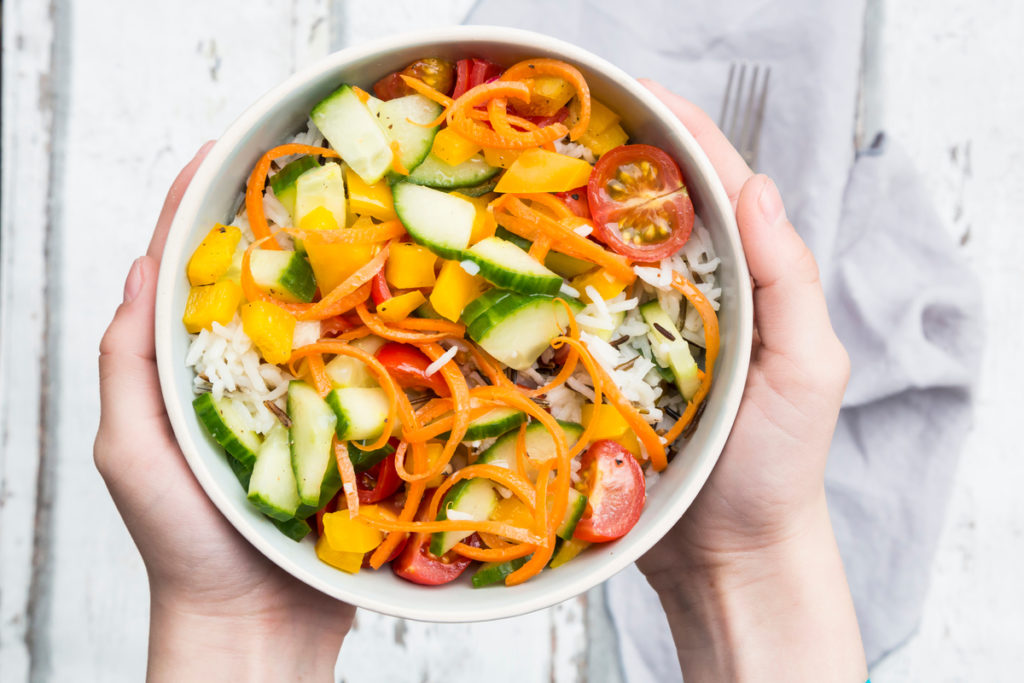
Researching, studying, asking and corroborating have become the new actions of healthy consumers, who now focus on the information of what they consume. They no longer choose simply because it is a recognized brand or the colors on the label. Today, they aim for concrete data: “People want to know what they eat, there is an increasingly frequent reading of labels, they are informed and want to choose their food consciously,” adds Patrón Farías.
In addition to the search for information, there is a fundamental factor that contributed to this trend. One was the expansion of the media: “The advancement of technology and the generation of content in the media social media, portals and articles contributed to people having information at their fingertips and knowing even more about what they are eating,” shares nutritionist Camila Romeo, a member of the N nutrition team.ew Garden, a chain of natural food stores from Argentina.
The profit chain
A change of mentality means a change of habits. A change of habits leads to the creation of others. Healthy consumption is based on a change of belief of people who today put the well-being of their health at the same level as other priorities such as family or work.
This is how quarantine raised awareness about the importance of exercising, eating better (cooking better) and seeking a balance between professional and personal life. “After the pandemic, people took that crisis as an opportunity for change, and took full responsibility for their choices.".
In line with this, Romeo says that people have begun to understand that self-care and health “are influenced by a lot of factors” and that it is not simply about going to the doctor when a person is sick or feels bad, “but rather having a preventive view and understanding that this view is largely due to food and how we eat.”
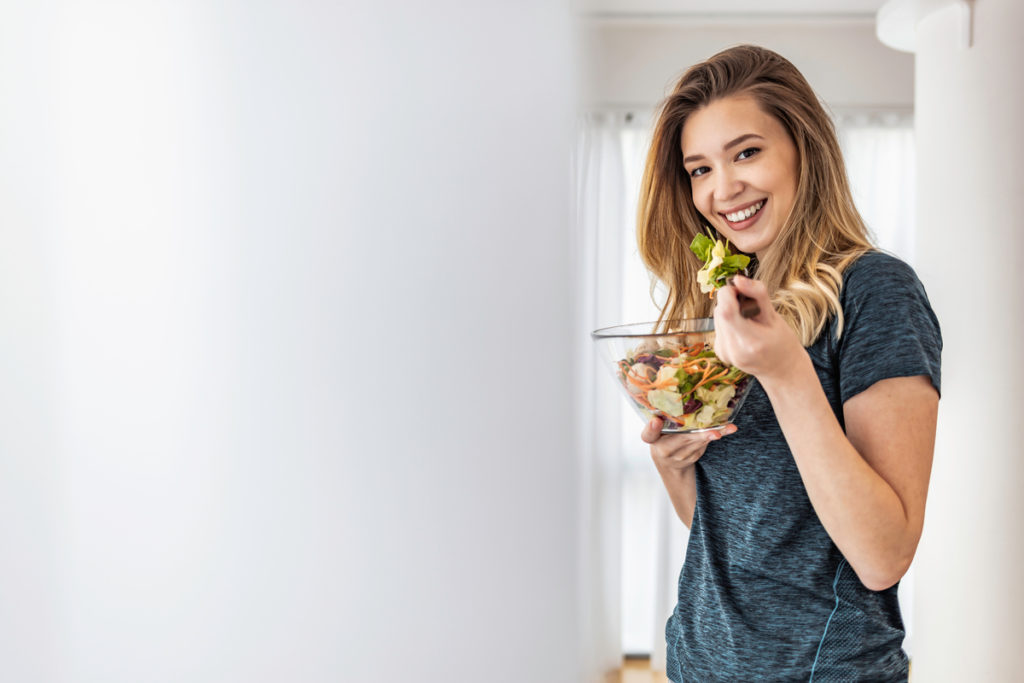
In this way, the actions begin to be noticed. According to the expert in healthy consumption, people “They learned to cook a little more” and highlights that plant-based diets have gained ground “due to their benefits for people and the world in which we live.”
In line with this, Romeo emphasises that planning has become an activity for people who, in addition to studying or working, “take care of, plan and organise their meals, use the freezer and food preservation a lot and do not resort to delivery, fast food or junk food”.
Vegans and vegetarians
In addition, the member of New Garden reveals that the choice of the youngest is turning to vegan or vegetarian diets where "it is proven that the nutritional value of this type of diet is quite high and that they have multiple benefits."
The other leg of consumer change is added to the path of thought, choice and action: supply. There are increasingly new and better options for new consumers to have a variety of options that adapt to their needs.There is a bigger market for those who offer natural, agroecological, organic and plant-based products.”, shares Patron Farías.
These are starting to appear more often on the shopping list. “Foods that were previously unthinkable to find in a home are starting to be included, such as legumes, seeds, quinoa or condiments that perhaps, before, were not known and are now super common and have great nutritional value, which add a lot to family and personal nutrition” concludes Romeo.
This is how new healthy consumers use their freedom to decide what they like and, above all, what is good for them.