


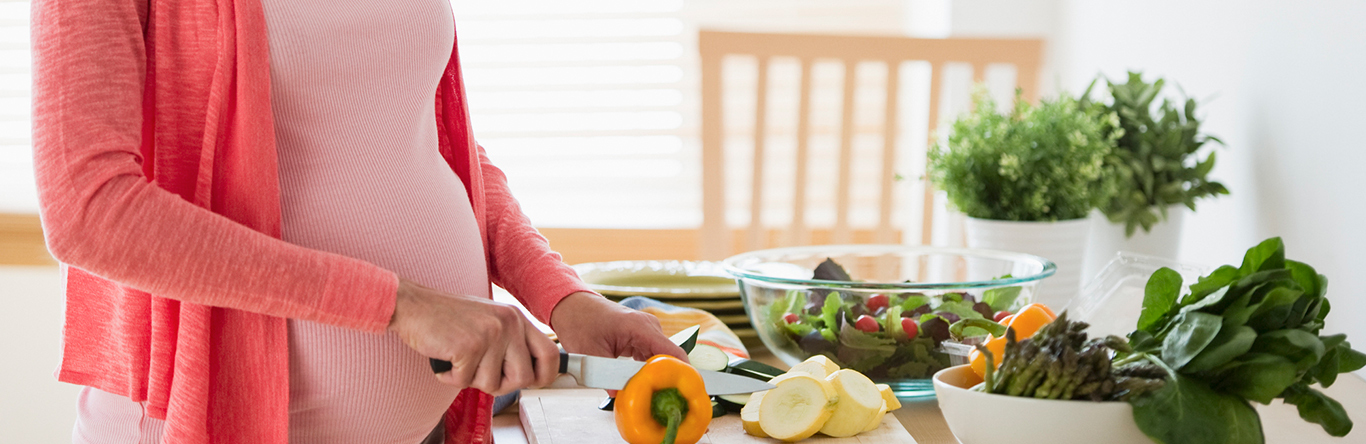
During pregnancy, at the time of delivery and after, you need a good diet to prevent health problems and protect your baby's well-being.
Creating and maintaining healthy eating habits is important from the womb to old age, as it contributes to adequate growth, development, physical and emotional well-being of each individual. Therefore, to ensure your health and that of your newborn, keep these recommendations in mind:
During gestation:
● Distribute the day's food into 6 meals: breakfast, lunch, dinner and three snacks: one in the morning, one in the afternoon and one at night.
● According to the trimester of pregnancy and your age, eat the appropriate portions and variety of foods from the different groups to meet energy and nutrient recommendations.
During lactation:
Breastfeeding increases levels of oxytocin, a hormone that helps reduce postpartum bleeding and contract the uterus, preventing hemorrhages and breast and ovarian cancer.
After giving birth, you should eat well so that your body can recover and produce enough milk to breastfeed your baby. Also, to quench your thirst and encourage breast milk production, increase your water intake. Ideally, you should consume 10 glasses of 200 ml of water a day..
During pregnancy and breastfeeding, follow a diet that meets the following characteristics:
● Prefer fresh and natural foods.
● Increase consumption of protein and iron sources such as meats (beef, chicken, pork, fresh fish) and organ meats (chicken, liver), to prevent anemia and contribute to your baby's development.
● Consume milk and dairy products daily (preferably low in fat) such as yogurt, kumis and fresh cheese. Due to their high protein and calcium content, they promote the development of your baby and prevent the onset of diseases such as osteoporosis.
● Increase egg consumption. This promotes the development and growth of your baby and contributes to maintaining your health.
● Legumes are a source of plant-based protein and fiber. Increase your consumption and include it in your diet beans, chickpeas, peas and lentils.
● Increase your daily consumption of fruits and vegetables. Fruits preferably whole and vegetables raw or steamed.
● Do not include in your diet Fast foods, soft drinks, sugary drinks, energy drinks or alcoholic beverages, or packaged products.
● Reduce salt consumption and avoid cold meats, sauces, broth cubes and soup packets.
The importance of proper breastfeeding in newborns
Breastfeeding provides multiple benefits for both the baby and the mother. Among them, the following stand out: the prevention of gastrointestinal infections and the reduction of malnutrition.
For the first six months, all your little one needs is breast milk.According to experts from the World Health Organization, around six months of age, your baby's energy and nutrient needs begin to exceed what breast milk can provide, so it becomes necessary to start complementary feeding:
● Continue breastfeeding (with frequent feedings) up to 2 years or more.
● Start with small amounts of food and increase them gradually.
● Progressively increases the consistency and variety of food.
● Expand the number of meals: two or three a day for infants 6 to 8 months, and three or four a day for those 9 to 23 months, with one or two additional snacks.
Breastfeeding creates an emotional bond between mother and child. Put it into practice and enjoy all the stages of their growth.
Sources:
● World Health Organization.
● Food guide for pregnant women, nursing mothers and children under 2 years of age: Colombian Institute for Family Welfare, Food and Agriculture Organization of the United Nations and Government of Colombia.