


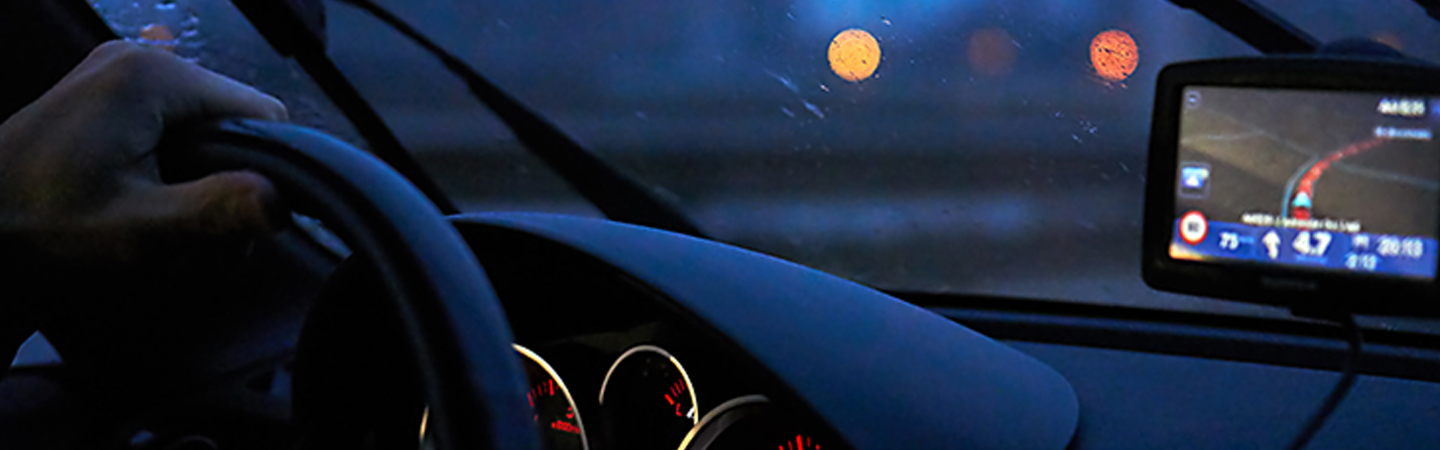
Are you happy, sad, angry, stressed or calm? Understanding how your emotional intelligence works is important when driving, so as not to put your life at risk.
Have you ever wondered what your emotions are like when you're driving? Driving is an emotional activity and what you feel defines the way you act behind the wheel. For example, if you leave your house angry or depressed, the probability of being affected by bad comments or distractions increases. Or, if you are a fickle driver, your vision becomes blurred, decisions are less rational and you will not be able to react in time to unexpected road events.
According to the ZEN driving study: emotions, decisions and driving, conducted by Prevensis, people who do not control their emotions have more accidents and traffic fines, as do those who drive angry or in a hurry. The way you control your emotional intelligence, based on beliefs and feelings, are factors that will help you make better decisions and generate safe actions on the road. Keep in mind how they influence:
-
Thoughts: Decisions are forced or weakened by what you feel. The events you have in mind before getting into the car, motorcycle or bicycle are previously conditioned by your emotional perceptions and reactions.
-
Physiological response: If you are worried, your heart rate, dry mouth or increased sweating are your body's reactions to your emotions.
-
Conduct: Accelerating quickly, not yielding, not letting pedestrians cross the road, or talking on the phone are actions controlled by your emotional brain and not by reason.
Emotions are automatic responses that guide your behavior. Being aware of them helps you make emotionally intelligent decisions.