

What should you not believe in times of COVID-19?
Don't believe everything you see! Misinformation has taken over social media after the COVID-19 pandemic was declared. We share with you a guide to 12 myths circulating on the Internet today.
The World Health Organization and medical authorities such as the Johns Hopkins Institute have been continuously clarifying what is and is not true about the current pandemic. At SURA we bring you a compilation of these myths and their respective explanations:
Myth 1: Home remedies can cure or prevent the virus
FALSE! Many home remedies are good for your health. But… their effectiveness in combating or preventing COVID-19 has not been proven. The same goes for the use of essential oils, colloidal silver and steroids.
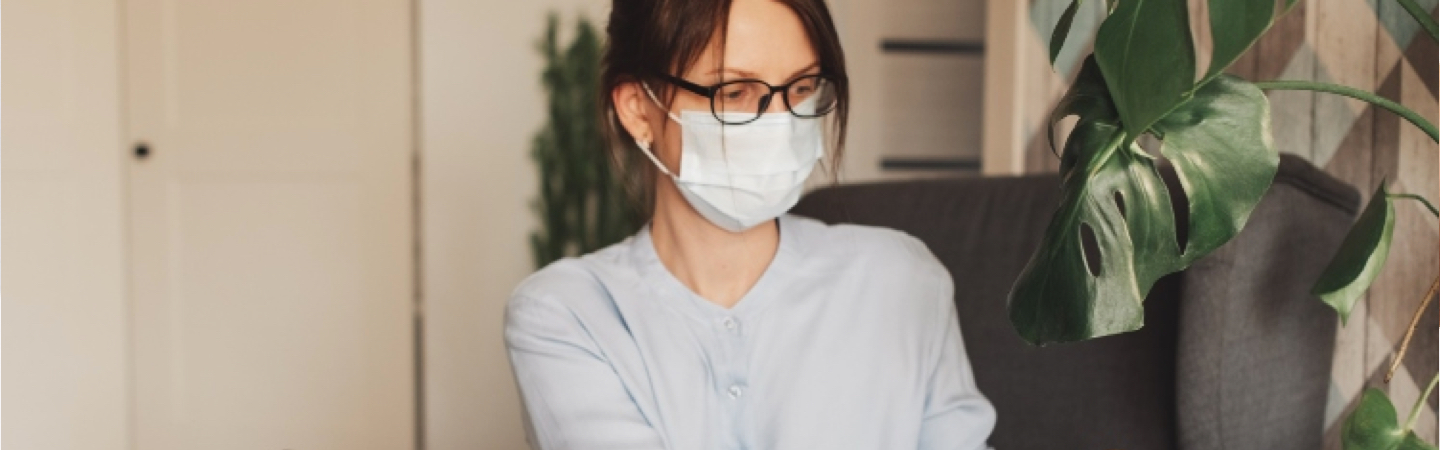
Myth 2: A surgical mask is required
FALSE! People who are healthy do not need to wear surgical masks.
Those who should wear masks are those who have been infected with the coronavirus and have symptoms, in order to prevent the virus from spreading to others, caregivers of sick people or those with respiratory symptoms, and health professionals.
Myth 3: Antibiotics already exist to prevent and treat the disease
FALSE! Antibiotics are effective against bacteria, but not against viruses.
In the case of Covid-19, we are talking about a virus. In this case, antibiotics should not be used to prevent or treat the infection. However, if you become infected with this virus and are hospitalized, you may be given antibiotics to prevent bacterial infections. The effectiveness of antiviral medications against COVID-19 has not yet been proven.
Myth 4: You can kill the new coronavirus by spraying your body with alcohol or chlorine
FALSE! No. Applying alcohol or chlorine to your entire body will not kill viruses that have already entered your body. Both alcohol and chlorine can be used to disinfect surfaces, provided that you follow the appropriate recommendations.
Myth 5: Drinking water every XNUMX minutes helps fight the virus
FALSE! Airborne viruses enter the body through the respiratory tract when inhaled. And while some can enter through the mouth, drinking water every 15 minutes has no bearing on their elimination.
Myth 6: Mosquito bites transmit coronavirus
FALSE! According to the WHO on its website, this virus spreads mainly through contact with an infected person through respiratory droplets generated when that person coughs or sneezes.
Myth 7: You can kill the new coronavirus in 30 seconds with a hand dryer
FALSE! Hand dryers such as those used in public toilets do not kill the virus. The WHO clarifies that: “To protect yourself, you should wash your hands frequently and, once clean, dry them well with paper towels or a hot air dryer.”
Myth 8: Rinsing your nose with saline solution is a good idea to prevent infection.
FALSE! Saline has not yet been shown to speed recovery from the common cold or prevent respiratory infections.
Myth 9: The COVID-19 virus can be transmitted in areas with hot and humid climates.
Half-truth! Scientific evidence so far indicates that COVID-19 can be transmitted in ANY AREA, including those with hot and humid climates. That is why, regardless of the weather conditions, protective measures must be taken.
Myth 10: Cold and snow can kill the new coronavirus
Fake! The normal human body temperature is between 36,5° and 37°, regardless of the outside temperature or weather conditions. Therefore, there is no reason to believe that cold weather can kill the new coronavirus.
Myth 11: You can kill 2019-nCoV with an ultraviolet disinfection lamp
FALSE! Ultraviolet lamps should not be used to sterilize hands or other parts of the body because this radiation can cause skin irritation.
Myth 12: Pneumonia vaccines protect against the new coronavirus
FALSE! Pneumonia vaccines, such as the pneumococcal and Haemophilus influenzae type B (Hib) vaccines, do not protect against the new coronavirus.
2019-nCoV is so new and different that a specific vaccine needs to be developed, which is already being worked on with the support of the WHO.


