


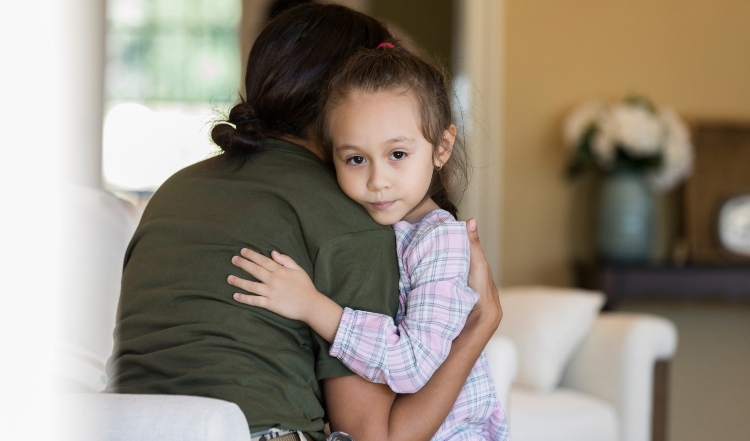
How to explain the departure of a family member to the little ones?
It is not easy to accept that one of our loved ones is no longer with us. As adults, while we grieve, we cannot forget the younger members of our family. How do we explain to a child that their loved one will no longer be with us?
One of the most recognized experts on this topic is psychiatrist Elizabeth Kübler-Ross, who developed a medically applied method for her patients with terminal illnesses. When analyzing the reactions of her patients' relatives when they had to face grief, the doctor identified five stages: denial, anger, bargaining, depression and acceptance. Although the stages are not experienced in that order, it is advisable to be aware of going through each of them to alleviate the loss.
In this article we give you some recommendations so that this intimate and emotional moment is handled with the utmost care:
Who should give them the news?
The news of a death must certainly be given by someone who is very close to the children. Generally, parents are the strongest family link they have, but in some families the figure of uncles or aunts is close and can support us in moments like these.
Let them express what they feel
Sometimes we think that avoiding crying or trying to keep our spirits up is the best way to get over an absence. When they are young, children are primarily emotional and their relationship with the world is through what they feel. Instead of preventing them from crying or feeling sad, allow them to feel that you are there to accompany them and listen to them in case they want to talk to someone.
Explain to them with movies
Depending on the age, there are some movies available that teach the value of life and in which the protagonists learn to say goodbye. For example, in Inside Out, Joy must say goodbye forever to Bing Bong, Riley's imaginary friend, and in The Lion King, Simba must say goodbye to his father, Mufasa, after he falls off a cliff. By understanding that their movie heroes have also had to say goodbye to their loved ones, the little ones will feel that they are not alone.
Don't try to fool them, they know what's going on.
Hiding the death of a family member or someone close to the family is not a good idea. Even if they are children, they understand perfectly what is happening. We recommend that you tell them the truth using loving and warm language. Avoid doing it in the presence of strangers so that the situation is more comfortable for them and do not try to call things by different names: expressions such as “he is on a trip”, “he left, but he continues to take care of us” or “he went to rest”, only prevent the children from fully understanding what happened and cause confusion.
It is valid to remember the absent
It is very likely that the children in our home will ask about that loved one who has died. Don't try to change the subject or suggest going out for ice cream. Memories are part of our lives and those who have shared love with us have every right to be remembered. Take advantage of the opportunity to tell them funny stories that you remember about that person and remind them that they were always there for them. This way, they will remember with love and not with sadness or fear.
Get ready for some changes
Just like any adult, children's grief can also cause emotional changes. Don't judge them and be aware that they will feel differently. Show them support by asking how their schoolwork is going, if they have talked to their friends or if they want you to make them that favorite meal. Don't leave them alone - even if they don't fully understand what is happening, their emotions and moods react to the loss.
Pay attention later
For some adults, the loss is relatively easy to overcome. However, a child may continue to miss their loved one for a longer period of time than usual. If you see that your children have not yet managed to make progress in their process, it will be very important for you to consult a professional. Helping them with their emotions is as important as helping them go to school or eat properly.
Remember An important part of grief is shared within the family. Even though you are also afflicted, do not forget that You are your children's role model and they will seek you out to help them cope with their own grief. Don't worry if you feel sad while trying to comfort them, you are human and they will quickly understand that they can only overcome the situation if they are united.


