

What are the recommended habits to protect yourself from COVID-19?
March 20, 2020
Taking care of yourself is taking care of others. Proper hygiene, routines that reduce contact with large groups of people and consulting information from reliable sources are some of the recommendations that cannot be ignored. At SURA we share with you a list of habits to protect yourself in this situation.
What should you do?
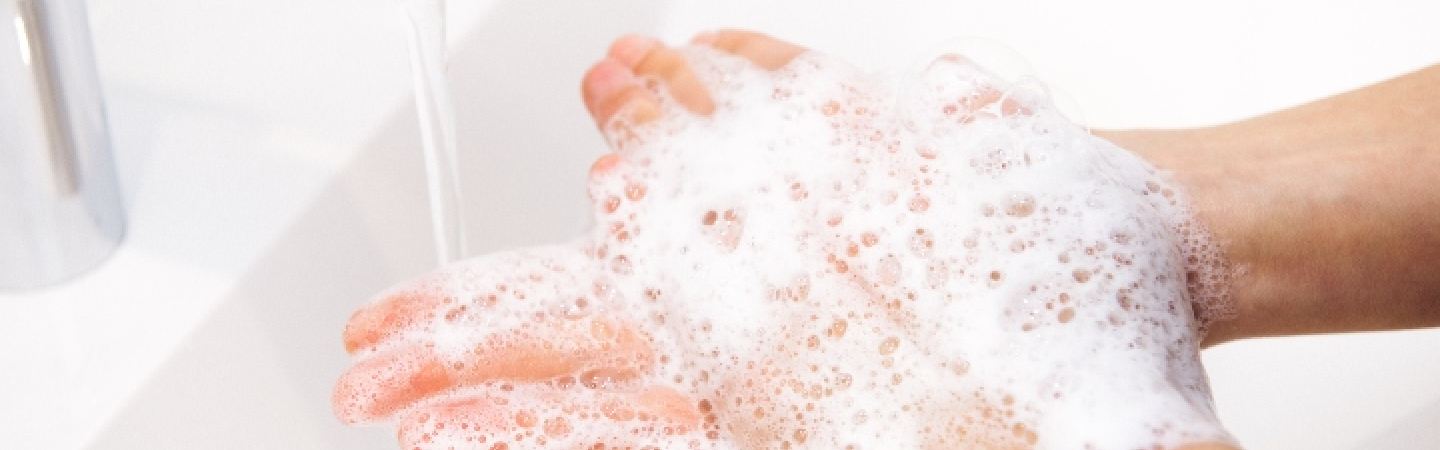
- Wash your hands frequently with soap and water or with an alcohol-based hand sanitizer, so you can fight the virus if it gets on your hands.
- Avoid shaking hands, kissing or hugging, these are some of the most common ways you can get infected.
- Pay close attention to your respiratory hygiene. When you cough or sneeze, cover your mouth and nose with your bent elbow or a disposable tissue.
If you choose the second option, throw the tissue immediately into a trash can and wash your hands.
By doing so, you will prevent the spread of this and other viruses. On the other hand, if you cover your mouth and mouth with your hands when you sneeze or cough, you may contaminate objects or surfaces that you come into contact with. - Keep at least 1 meter distance from other people, particularly those who cough, sneeze and have a fever.Remember that when a person carrying the virus coughs or sneezes, they can spread the virus through the droplets they expel, and if you are too close, you can inhale it.
- Be aware of your movements and avoid touching your eyes, nose and mouth. Your hands touch many surfaces that may be contaminated and if they get into your eyes, nose or mouth, you can transfer the virus directly to yourself.
- If you have fever, cough and difficulty breathing, contact your health care provider. and, if applicable, indicate whether you have traveled in the previous few days to any area where the presence of COVID-19 has been reported, or whether you have had close contact with someone who has done so.
- Stay informed and follow the recommendations of health professionals.
Please note that national and local authorities have the most up-to-date information on COVID-19. - Do not spread information if it does not come from a reliable source or if you are not sure of its veracity. Misinformation is the first step to spreading panic in the population and negatively influencing the decisions made by those around you.
- To be possible, stay home. The less contact you have with other people, the less likely you are to infect or be infected. If you take care of yourself, you will be taking care of others.
- When stocking up for quarantine or preventive isolation, resort to empathy. Remember to buy only what is necessary. Going overboard can work against those who arrive later or those who do not have all the resources available to buy in large quantities.
- Should you wear a mask or not? It depends. If you are sick, of course! Use it when around other people (for example, sharing a room or vehicle) and before entering a healthcare provider's office. If you are not sick, you do not need to wear a mask unless you are caring for someone who is sick. (and who can't wear one). Masks may be in short supply and should be reserved for caregivers.
Tip: Is there anything I shouldn't do?
According to the WHO, the following measures ARE NOT effective against COVID-19 and may be harmful:
- Smoke
- Wear several masks
- Take antibiotics
Remember: Practicing these habits will allow you to take better care of yourself and those around you.


