

What personal hygiene habits should you have to avoid future illnesses?
Ever since we can remember, we hear adults talk about the importance of washing our hands, brushing our teeth, changing our clothes or not entering the house with dirty shoes. It is only when we grow up that we understand the importance of personal hygiene.
However, little is known about the importance of hygiene in preventing highly contagious diseases. According to data from the WHO estimates that out of every 100 patients hospitalized for COVID-19, at least 17 were infected through their hands.
In this article we will recommend some steps to ensure that your personal hygiene always shines and at the same time helps you fight possible diseases.
- Wash your hands. Keep your hands clean. Proper cleaning of your hands will prevent bacteria, germs or viruses from entering your body. Wash your hands at least every three hours for about 40 seconds, using the correct technique. When you finish, don't forget to dry them thoroughly.
- A daily bath. You may be tempted to skip your daily shower during quarantine. You should know that a shower protects you from bacteria and parasites, and helps you remove excess oil or dust from your body that may have accumulated on your skin during the day. It will be very important that you pay attention to the care and cleanliness of your genitals, thus avoiding illnesses or irritations that require a consultation.
- The toiletries are yours alone. Practices such as sharing toothbrushes, razors or certain products for personal hygiene can lead to the transmission of diseases and germs. This also applies to sharing underwear.
- Oral health. If you can brush more than three times a day, do so. Don't forget that proper oral hygiene includes flossing, proper brushing, and mouthwash. Doing so frequently prevents tartar buildup or cavities on your teeth and impurities on your tongue. Remember to change your toothbrush frequently, at least every three months.
- The feet. Because feet are one of the parts of the body that receive the least amount of air circulation during the day, they can accumulate fungus and generate bad odors, even small wounds. To avoid this, try to wash them carefully every day, dry between your toes and apply products such as talcum powder to keep them more protected.
- Shaving or waxing. It is important to remember that the skin is a very delicate organ and that its resistance varies depending on the part of the body it covers. When shaving or waxing, it is a good idea to moisten the affected area, use a product to lubricate it and cut the hair in the same direction in which it grows. This will prevent irritation and dermatological problems that require specialized care. Remember that both epilators and razors are for personal use.
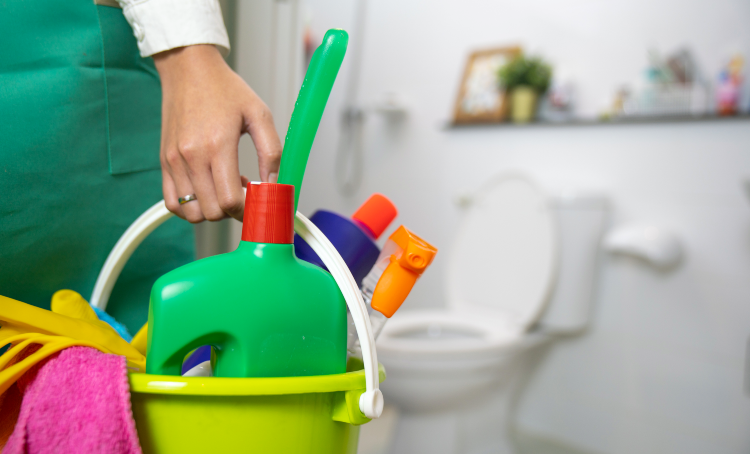
- Cleaning the places I frequent the most. While we are at home, we are likely to use more frequently some spaces that we used to only use when we got home from work or school. Cleaning our desk, cleaning the bathroom, cleaning the sink, disinfecting our shoes and washing our clothes well will help your personal hygiene last much longer.
- Renew your towel. There's nothing like drying your body with a clean, fresh towel. As the days go by, the moisture absorbed by our towel turns into dirt and bad odor. Avoid using a towel for more than a week, although depending on use you may need to change it sooner because the accumulated bacteria could cause damage to your intimate areas.
- Don't wear clothes you've already worn. It is common, and not good, for some homes to have a pile of clothes waiting to be washed. Sometimes, in a hurry, we are tempted to look for a clothes press that we have already used to reuse it. This practice could cause problems with sweating and bad body odour because the toxins that you eliminated are still there.
Maintaining proper hygiene depends only on you. Make a list of tasks that you can do during the days of isolation and practice them frequently. Personal hygiene facilitates social relationships, keeps you with high energy and prevents diseases that are easy to avoid.


