


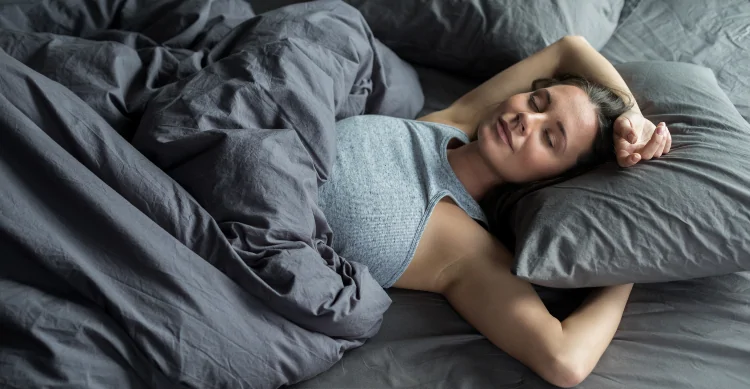
There are many myths and perceptions surrounding the benefits or disadvantages of taking a nap. While some see it as necessary and restorative, others see it as an excuse to be lazy or waste time. The truth is that it has many advantages as long as it is done correctly, when the body needs it and for a reasonable amount of time.
Neurologist Leonardo Serra recommends that a nap last between 20 and 30 minutes maximum, so that it is an important restorative rest. Taking it for longer would lead us to fall into a deep sleep that would become leisure time and would generate greater effort for the body to wake up and continue with daily tasks.
Getting a good night's sleep is so important that NASA funded an experiment in cooperation with the National Space Biomedical Research Institute to help astronauts take a nap. The results showed that some cognitive functions benefit from napping. The experiment did not work the same for volunteers in the night program, meaning that napping was more effective when the astronauts' bodies thought it was daytime, since the mind craves a longer rest at night, while in the afternoon it can be programmed for a short sleep.
Taking a nap helps you relax, improves your mood, increases your performance, makes you concentrate better and helps your memory. However, since all organisms are different, some people may lose the ability to stay alert, suffer from headaches upon waking, and even experience episodes of insomnia.
According to Daniel Vigo, a psychophysiology specialist and researcher at the National Scientific and Technical Research Council (Conicet) in Pennsylvania, people currently sleep between one and one and a half hours less than 50 years ago, which can lead to various health problems due to lack of rest.
Taking a good nap requires some details that will facilitate proper rest. Here are some recommendations so that this break in the day will recharge you with the energy you need for the rest of your day:
1. Choose a good place. Not all places are suitable for taking a nap. Falling asleep at your desk or in the chair you're going to continue working on is not a good idea. Find a quiet place, preferably away from light, and a comfortable surface. Some people bring small yoga mats to their workplaces, which are easy to fold and insulate the body from the cold floor.
2. A short nap is better. Even if you could sleep longer, avoid taking more than half an hour to nap. This way, you won't have sleep problems or disrupt your usual sleeping times at night.
3. Nothing replaces a night's sleep. Don't think that a nap will help your body replace the hours of rest it needs. If you haven't been getting enough sleep, a regular nap could have the opposite effect on your mood and alertness, causing your nervous system to be altered for the rest of the day.
4. It won't be possible every day. Some days have a particular speed: meetings, deliveries, interviews, client visits, month-end closings, etc. It is possible that on hectic days your mind is not able to slow down during the day, so do not force yourself to take a nap, as you will most likely not get a relaxing break and instead increase your level of anxiety about pending tasks.
5. Cell phones are not a friend of naps. Before taking your 20 or 30 minute nap, turn off your mobile data or Wi-Fi and leave it at least one meter away. You can use it to activate an alarm that prevents the time from going on for too long. Once it goes off, you will have to get up because you won't have your mobile close enough to turn off the alarm and continue sleeping.
6. A coffee can do you good. Caffeine kicks in half an hour after you drink it. If you drink coffee before your nap, you'll probably wake up feeling significantly recharged with energy and get through the day with the vitality you need.
If you are not yet in the habit of taking a nap, Remember that a short break can help you recharge your energy, free your mind from excessive thoughts, lower your anxiety levels and have happy and productive days at your workplace or during your personal activities.


