


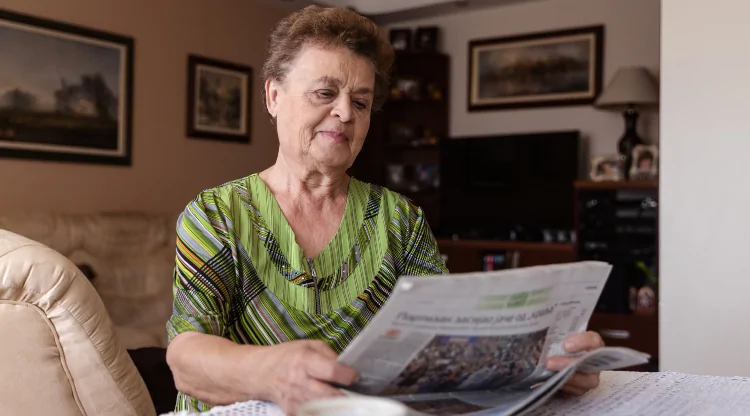
Watching over the common good and seeking equitable and supportive solutions are the objectives of public health. When does a crisis occur? How can we deal with it? Some offer their perspectives on the matter.
We hear a lot about public health in news reports, conferences, books or newspaper articles, but do we really know what it means? Public health is a discipline dedicated to the study of health and diseases in populations. According to the WHO, health is a state of complete physical, mental and social well-being, and not merely the absence of disease or illness. In this sense, The area of public health seeks to prevent, diagnose, evaluate, investigate and take measures for the well-being of a community.
Jessica Giraldo, a medical epidemiologist, says that this branch of health ensures that communities have equitable and quality health services. “That is why public health specialists are so important at times when the quality of life of a large population is at risk,” says the expert.
When is there a public health crisis?
This occurs under three conditions:
1. There is a change in the trend of a situation that is known or that is regular. This occurs when, for example, a disease begins to deteriorate the health of a population that was not previously affected by it.
2. That there is an acute or subacute situation, that is, that there is a rapid increase in the number of patients.
3. There is a need for urgent action. This means that health areas and other sectors, such as the government, act quickly to mitigate and seek solutions to stop and counteract a condition.
What stages occur in a public health crisis situation?
1. Diagnostic phase: It analyses the number of people affected by a disease, the severity of the cases, the impact it may have and the capacity to disseminate information about the disease.
2. Crisis care and management phase: In this phase, action is taken based on the results obtained in the first phase. For example, vaccination and strengthening of the health system are carried out.
3. Evaluation phase: It analyses whether the actions taken are in fact effective.
4. Monitoring phase: This monitors the problems caused by the disease in order to continue acting against the condition.
Dr. Giraldo adds that, in the midst of a crisis, the civilian population has a series of rights, such as freedom, the conservation and preservation of their autonomy and the provision of the care and attention they require according to their needs and risks.
Citizens also have duties, all of them framed in helping and promoting the common good, and this implies that they must be responsible with the information they share so as not to generate panic, fear or anxiety in people.
What to do in the event of a public health crisis?
According to professor and epidemiologist Alba Lucía Echavarriaga, measures in a public health crisis, such as preventive isolation, must be taken on the basis of protection and the common good, and are decreed when there is a risk of high spread of a disease that spreads mainly through social contact.
According to the expert, in this situation it is necessary for governments, the private and public sectors and the community in general to act jointly and responsibly, leaving aside particular interests.
Finally, the Master in Public Health, Alejandra Vélez Acosta, highlights that, once a crisis situation is overcome, governments must direct their policies towards strengthening their health systems, as well as supporting, financing and disseminating research groups in all areas, with the aim that, if a similar situation arises in the future, the presence of an infectious agent can be countered more effectively.


