

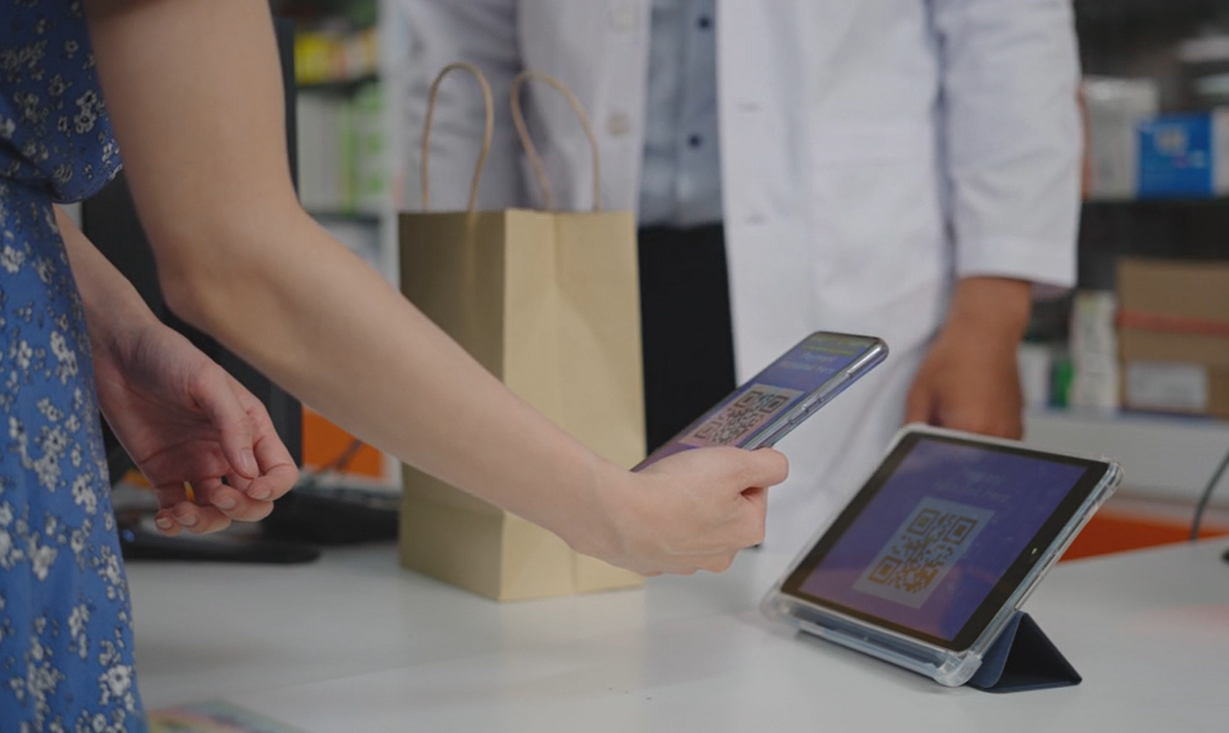
El World Bank estimates that 55% of the adult population in Latin America is unbanked. This situation has driven the creation and development of financial alternatives such as digital wallets, a segment that according to the FIS Global Payments Report will represent 52,5% of global transactions by 2025. Such is the growth in the region that, just a few years after being launched on the market, several of them already have millions of users.
In addition to offering financial tools to workers who are not registered in the traditional banking system, digital wallets stand out for their ease of registration. Most only require a few private details and a few minutes to complete. There are even cases such as nequi, in Colombia, which only requires a cell phone number to obtain an account and its corresponding card. “You can get it easily and in one minute,” the company claims.
This should not necessarily be interpreted as a negative. However, when compared to the registration of a traditional bank, institutions that ask for more information from individuals and have review processes with other agencies, Questions arise regarding the cybersecurity levels that these platforms offer their customers. Furthermore, ease of access also leads people to open accounts in multiple fintechs, which could be unsafe for them.
What is cybersecurity like in digital wallets?
Fredy León, Director of digital research and development at Seguros SURA, explains that “there is a big difference between the information that a bank has and that which a fintech has.” “For example, a bank not only has personal information about your identity, but also about your spending records, financial products, economic behaviors, savings habits, and even your family,” says León.

Along these lines, the SURA expert adds that "banks need all of this." to detect consumer trends and have valuable information to develop more products based on that data, since all of this is tied to a strong authentication system. Meanwhile, fintechs initially need to gain the trust that their systems have the same security in data custody, but being more digitally oriented, they leave identity confirmations to biometrics," says the director of research and digital development at Seguros SURA.
From the Interamerican Development Bank report that biometrics can identify an individual by measuring their unique characteristics such as fingerprints or iris (physiological traits), voice or gait (behavioral traits). A report released by the global consulting firm Markets and Markets estimates that this business will generate $82 billion by 2027. And it will largely be driven by the digital wallets.
“Most fintech apps have authentication methods based on biometrics such as fingerprints or FaceID,” says León. He continues: “Several of these platforms are developed by the apps themselves or simply use the biometric framework that comes natively with each operating system. Apple y Android they have created APIs easy integration where your application calls the phone's biometric system and, after authentication, allows you to access the app."
What happens to customer information?
In his final reflection, the director of digital research and development at Seguros SURA comments that among institutions “the objectives are different”. “While banks need a lot of information to be able to confirm your identity, fintechs "They just need to penetrate the market and mass-produce their solutions, without even knowing the identity of the client in general terms. The mere fact that the app is more practical to use already surpasses the objective of a bank, which is the mass adoption of a solution," he concludes.
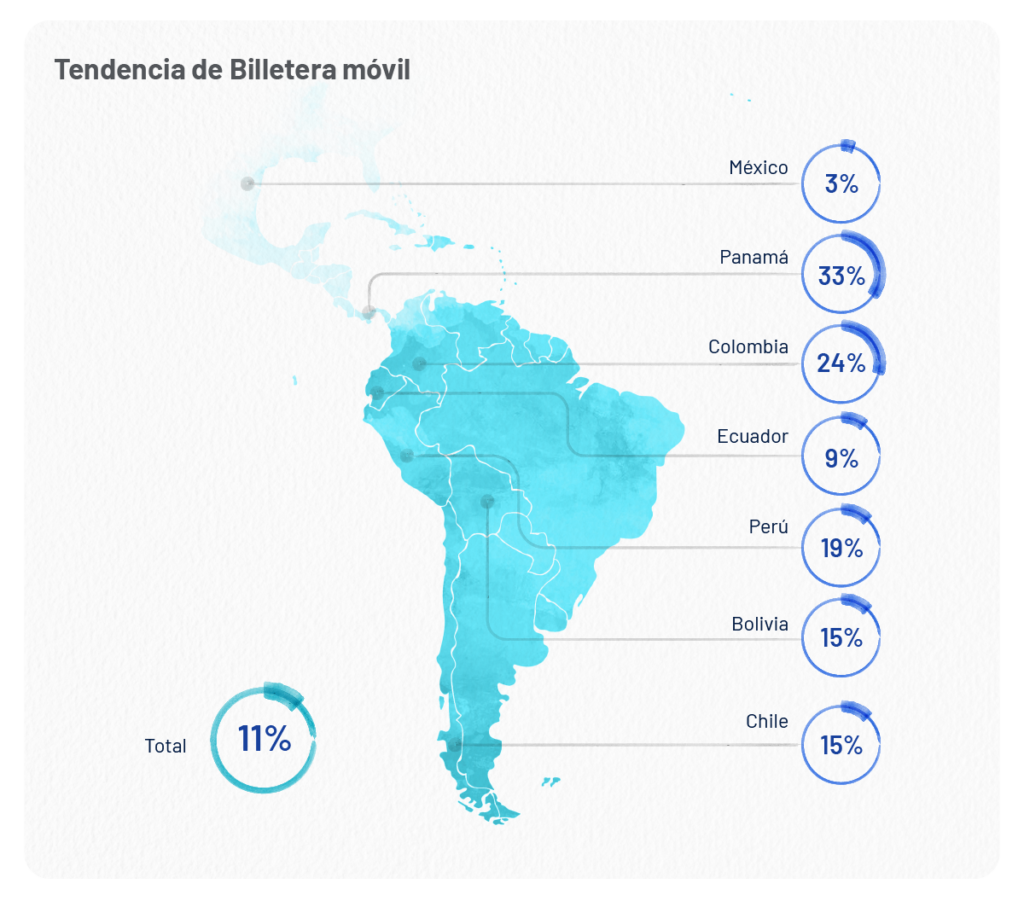
However, this raises a question: What happens to that information?. Experts from Make sure you live from SURA They emphasize in the report “Technology trends"Nowadays, information flows through social networks, emails and bank accounts, among other virtual spaces.
“Many actors within this ecosystem use it to network and others use it to make money, since data monetization is the order of the day,” the experts say. “However, there are also malicious individuals or groups who know how valuable the information is and, through cyber attacks, they steal it for their personal benefit,” they continue.
This is demonstrated by a report by Check Point Software which reveals a 42% global increase in cyberattacks during 2022. It is increasingly common to see ransomware, cloning of home banking accounts and social engineering scams to steal money from both digital wallets and bank accounts. For this reason, the main companies in the regional sector are forming alliances with the aim of avoiding these situations.
An example recently occurred in Argentina, where financial institutions and fintechs They joined forces to strengthen the security of their users. “The agreement will allow for the deepening of preventive actions and maximizing the control of suspicious transfers between bank and virtual accounts through comprehensive communication between the participating entities,” they stated. And they concluded in an act that they hope will be replicated in more countries in the region: “This will facilitate the systematization of the monitoring of cases and the protection of users and consumers of the financial ecosystem.”
En SURA Insurance Our goal is to provide users with tools to find answers to their needs and improve their contexts. In this way, we are focused on providing solutions that generate well-being for people and sustainable competitiveness for companies.