

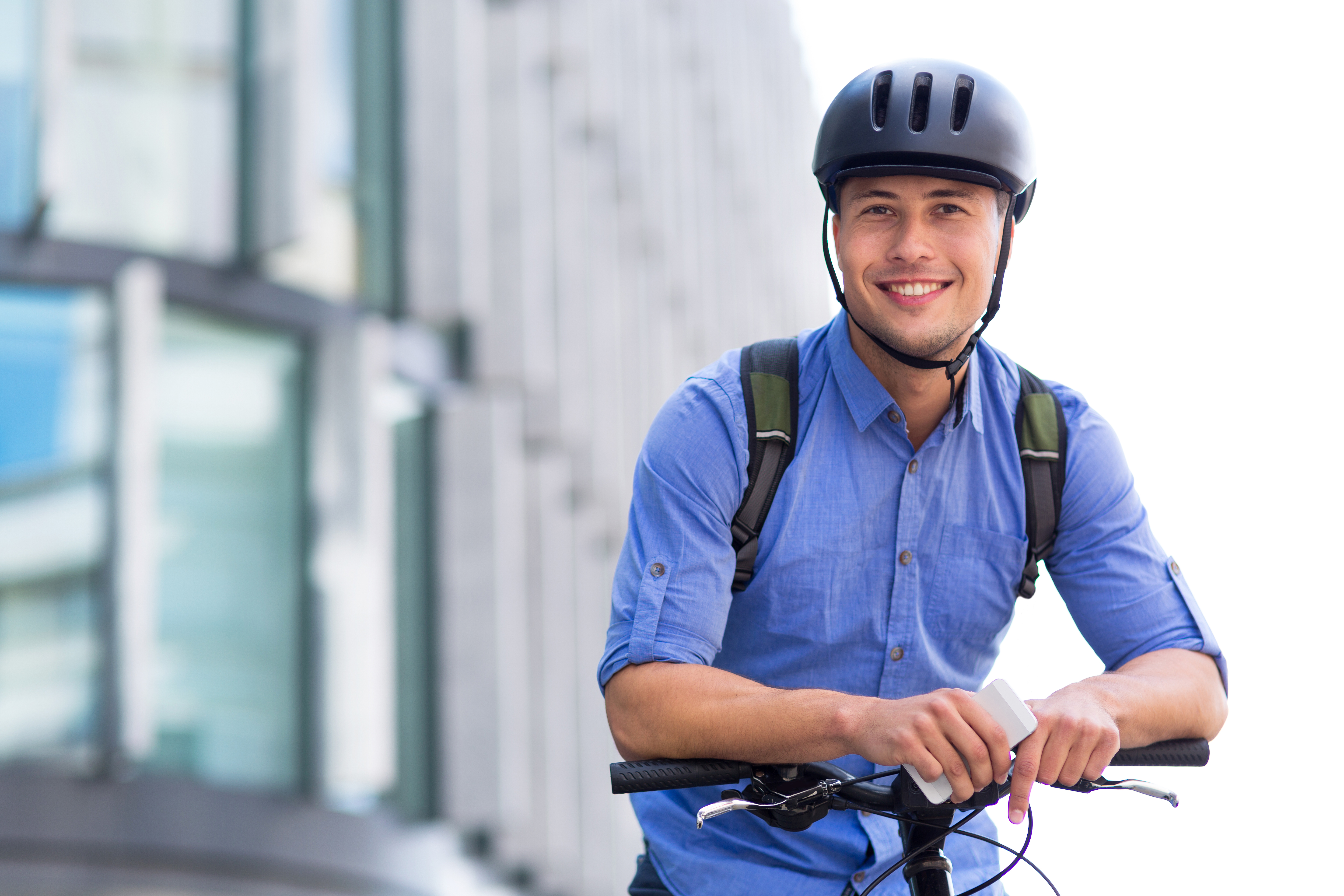
Due to the pandemic, many people in the region turned to bicycles as a means of transportation, not only to avoid public transportation, in a health context, but also to take advantage of it as a way to exercise and be environmentally friendly. The effect lasted as bicycles were joined by electric scooters, as well as other alternative means such as inline skates and roller skates.
According to data released by Google, which analyzed new search trends within Google Maps, the countries where cycling is most popular are Germany, United States, Netherlands, Japan y FranceIn Latin America, the podium is made up of Brazil in first place, followed by Mexico and Argentina, in that order.
La Buenos Aires For its part, it is ranked twelfth in comparison with other cities in the world that use navigation instructions in this way and occupies the first place in the region, followed by CDMX y San Pablo, the report suggests.
The pandemic has led to an increase in sedentary lifestyles and with it a growing prevalence of diseases due to low physical activity. This was one of the reasons that promoted the demand for bicycles to lead a healthier lifestyle, in addition to various initiatives by governments of large cities that opted to expand cycle paths.
The factors driving change
A work of INRIX Global Traffic Scorecard demonstrated that one of the most important factors in the growth of the bicycle market in Latin America is the increasing traffic congestion. For example, Bogotá, the capital of Colombia, was ranked as the most congested city in the world, followed by Rio de Janeiro (Brazil).
The study calculated that drivers in Bogotá spend around 191 hours stuck in traffic each year. Not only this, but the report also found that 4 of the top 10 cities in the world with the worst traffic congestion are in Latin America. That's why Latin Americans are adopting other modes of transportation to travel around. cities in order to avoid endless hours wasted in traffic.
These aspects that suggest a change in lifestyle are joined by a crucial factor: mental health.Mind Race' is the title of the experiment carried out by ASICS, one of the largest platforms in the world for running and marathons, in which regular athletes paused their normal exercise routines for a week.
This found that the impact on their mental state was similar to a week of interrupted sleep, with participants reporting a 23% increase in their anxiety.
Brendon Stubbs, a researcher on topics related to exercise and the mind, was in charge of monitoring the 'State of Mind' score of healthy participants who agreed to pause their regular exercise routines for just one week. This scale, developed and patented by ASICS, consists of a 1/100 rating made up of 10 emotional and cognitive metrics, including: composure, resilience, positivity, contentment, relaxation, confidence, alertness, calm, focus and energy.
The impact of physical and mental health
The results of the study showed that participants' cognitive and emotional well-being were affected. When active people stopped moving, their confidence dropped by 20%; positivity dropped by 16%, energy levels plummeted by 23% and their ability to cope with stress dropped by 22%.
The participants were also monitored when they returned to their regular exercise regimen. All experienced immediate improvements in their mental state, demonstrating how quickly the negative effects of inactivity can be reversed.
Security in the coming world
In conversation with Make Sure You Live, Hernán Alejandro Giraldo, Director of Mobility Business at SURA, shares that “Seguros SURA understood the change and launched insurance programs for several countries in Latin America and the Caribbean, such as Argentina, Brazil, Chile, the Dominican Republic and Colombia.”
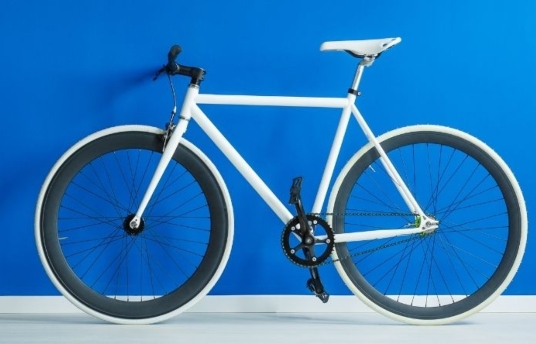
According to him, the plans include security for the element of mobility, which includes bicycles, skateboards, roller skates and skates, and covers any damage that may be suffered by the user and his/her family, as well as any damage that may be caused to third parties using their own, non-owned or public means.
There are also coverages of roadside assistance and includes transfer to the police station or home in the event of theft, transfer by ambulance in the event of an accident, transfer in the event of a breakdown or accident (including transfer of the person), on-site repairs and referral to workshops nationwide.
The new normal allows people to live anywhere in the world, while maintaining their work or leisure activities from wherever they are, as nomads.
In this context, Seguros SURA understands that the world is turning towards a user who prioritizes flexibility and convenience adapted to different conditions and experiences, rather than the possession of a means of transport. Today, distances have another dimension and perception thanks to virtuality.