


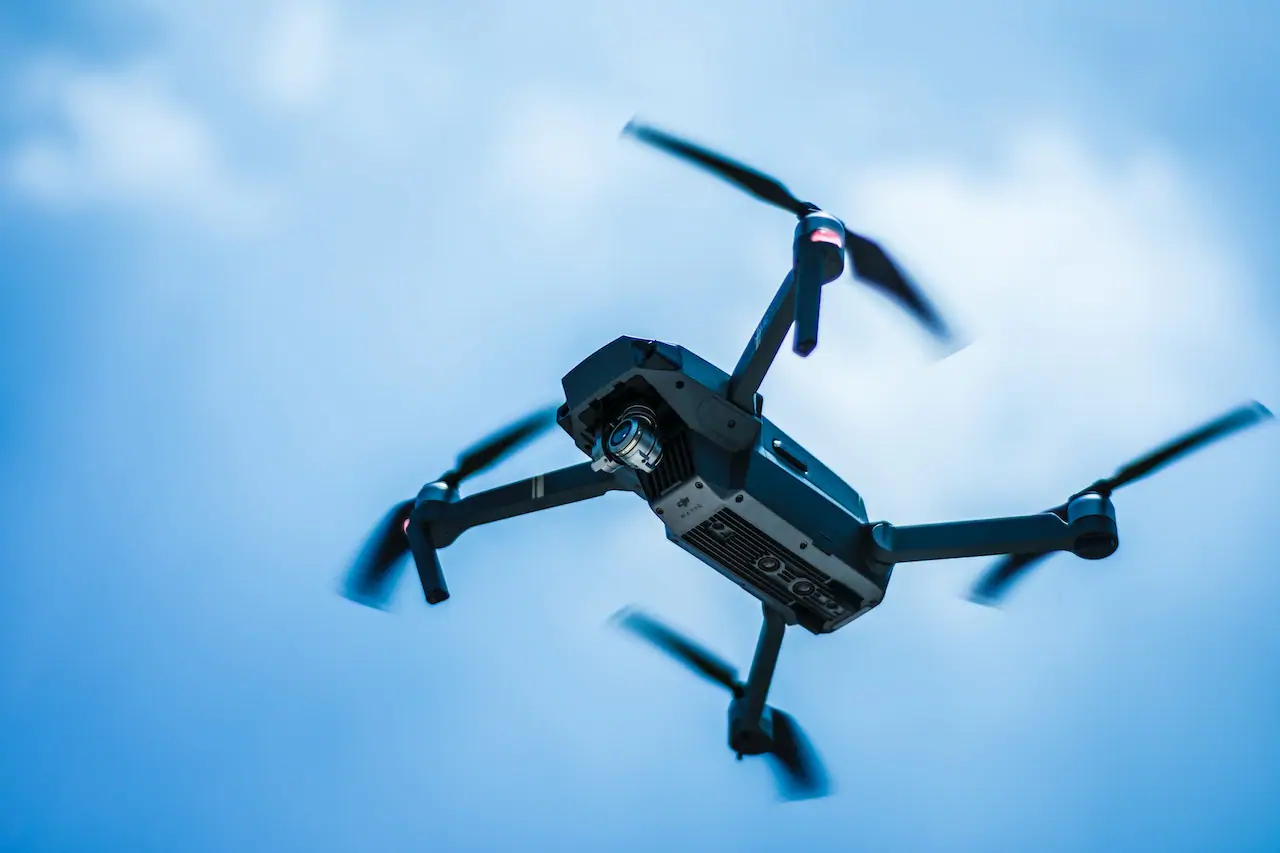
Twenty years ago, when someone thought of a city of the future, the image of flying cars and teleportation was part of the social imagination. Although in 2022 the formulas to make these possibilities a reality have not yet been discovered, The cities of the future are beginning to take shape in Latin America thanks to automatic mobility.
To understand how large urban centres are becoming automated, it is essential to think about what lies behind this phenomenon, that is, what is the purpose or problem that this automation is intended to solve.
Experts at Make Sure You Live They understand that the automation of means of transport in cities has its origin in the need to create more sustainable spaces, both from an environmental and social perspective.
According to UN figures, road accidents cause 1.3 million deaths and 50 million serious injuries worldwide each year. These figures led the Secretary General of the United Nations, Antonio Guterres, to describe the problem of road safety in the world as a silent and walking epidemic. In Latin America, specifically, road accidents are one of the leading causes of death among people between 15 and 29 years old.

Since most of these road incidents are associated with human causes or factors, the need to create healthier urban mobility strategies makes sense. Autonomous vehicles emerge as an alternative because they tend to be much more careful in terms of usability on public roads. Automation makes an almost perfect match with the electric mobility and the need to generate change, both social and environmental.
“Latin Americans still do not strongly believe that we are facing a serious problem of road safety or sustainable mobility. The situation to be resolved in Latin America regarding mobility is a serious problem, with high rates of road accidents, a lack of traffic culture, and congested roads that are not only related to an overabundance of vehicles in cities, but also to the fact that we are not careful enough when driving,” he says. Hernán Alejandro Giraldo, Director of Mobility at SURA Insurance.
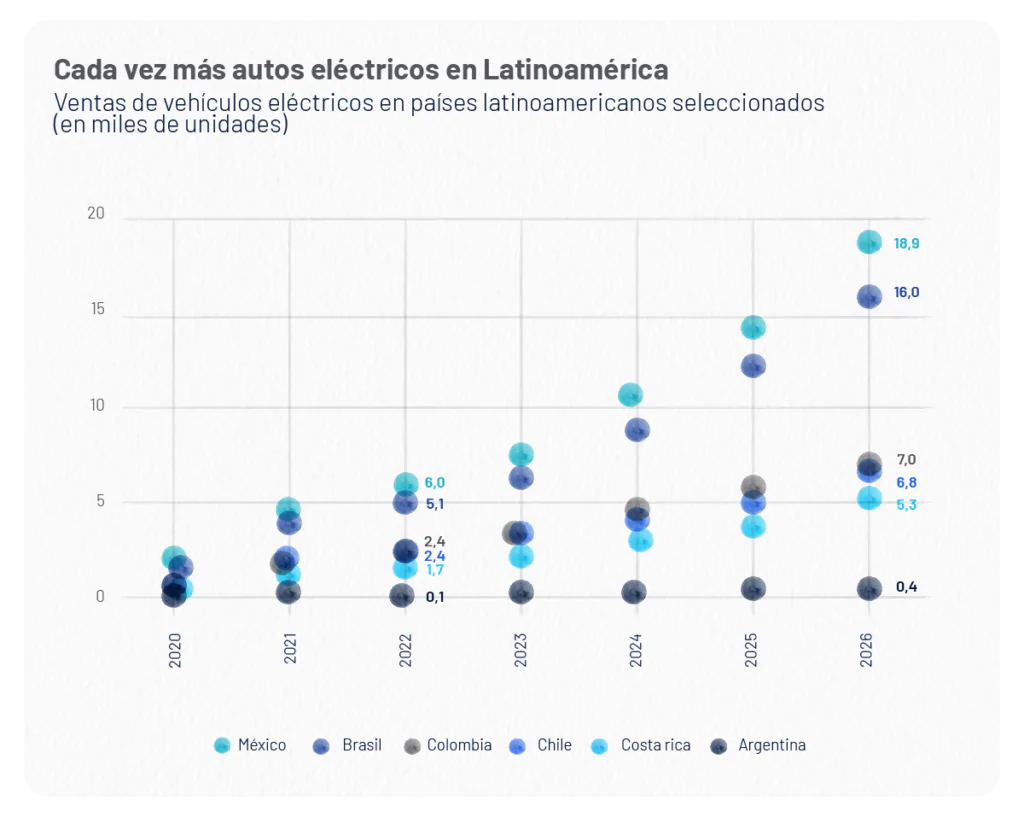
Considering that Latin American and Caribbean cities are home to 82% of the region's population, it seems even more necessary to accelerate the transition towards low-carbon mobility solutions, especially electric mobility, as these alternatives could become an important opportunity for the regional industry. "Although the problem is not solved just by having autonomous vehicles, but with an entire structure and legislation around this type of vehicle," argues Giraldo.
Networks on board
The automation of means of transport brings with it the same security problems appearing on other Internet-connected devices: the application of technologies developed before modern security standards, navigation and entertainment systems connected to the same network or unprotected Internet connections on board.
Self-driving drones y autonomous cars Limited in speed are some of the automated means of transport that have already begun to be included in the most sustainable cities in the world, which are, according to the Urban Mobility Index of Deloitte, Amsterdam, Paris and Helsinki.
In the long term, shared aircraft and autonomous vehicles are also expected to be in circulation in metropolitan areas.Cybersecurity in unmanned aerial vehicles (UAVs) is one of the most relevant issues when considering the deployment of highly sensitive and critical business data collection operations. Current encryption protocols are complex enough to prevent communication networks from being interfered with, however, further innovation is needed to minimize the risks of data loss and manipulation,” says Amelia Balsamo, CTO of Uali.
Thinking about aircraft that take off in cities or self-driving drones that transport objects from one point to another is not something futuristic. “Currently, the control of UAVs is in the hands of the pilots’ abilities, but autonomous flight will become a reality and we must accompany this change,” adds Balsamo.
Regarding the difficulties and risks of its implementation, he explains: “Although legislation is one of the most relevant issues when planning autonomous flights, connectivity is also a key point. This is where cybersecurity plays and will play a leading role.".
The existence of yachts equipped with autopilots, GPS receivers, radar, cameras and depth sounders that have been subject to hacking or cyberattacks is already a reality. The implementation of this type of mobility in other areas will therefore require the expertise of highly trained personnel and certified device and computing providers that meet all the standards required by the industry.
Scenario of the future
When thinking about the cities of the future in Latin America, it is not only environmental, technological and cybersecurity factors that must be taken into account, but also social ones.
“Beyond the software problems, I think that in Latin America another risk that could become an inhibitor of the shift towards automation is our own culture, of what we understand about the right to automation and its collision with our right to work,” adds Giraldo.
The gradual integration of electric and emission-free means of transport is the quasi-main axis for achieving the energy transition and the construction of smart Latin American cities. Change is coming and will require a lot of consensus to be regulated, as well as collaboration to create and integrate the different technologies and systems.
From SURA Insurance We understand that only by correctly reflecting on the needs that prevail in the main cities of the region will we be able to choose the correct means and strategies to create increasingly sustainable and safe urban areas.